
Author Archives: Myrtle Garcia

The Great Portion Reset: How Weight Loss Medications Are Rewriting Restaurant Menus

When Your Appetite Changes, Everything Else Must Follow

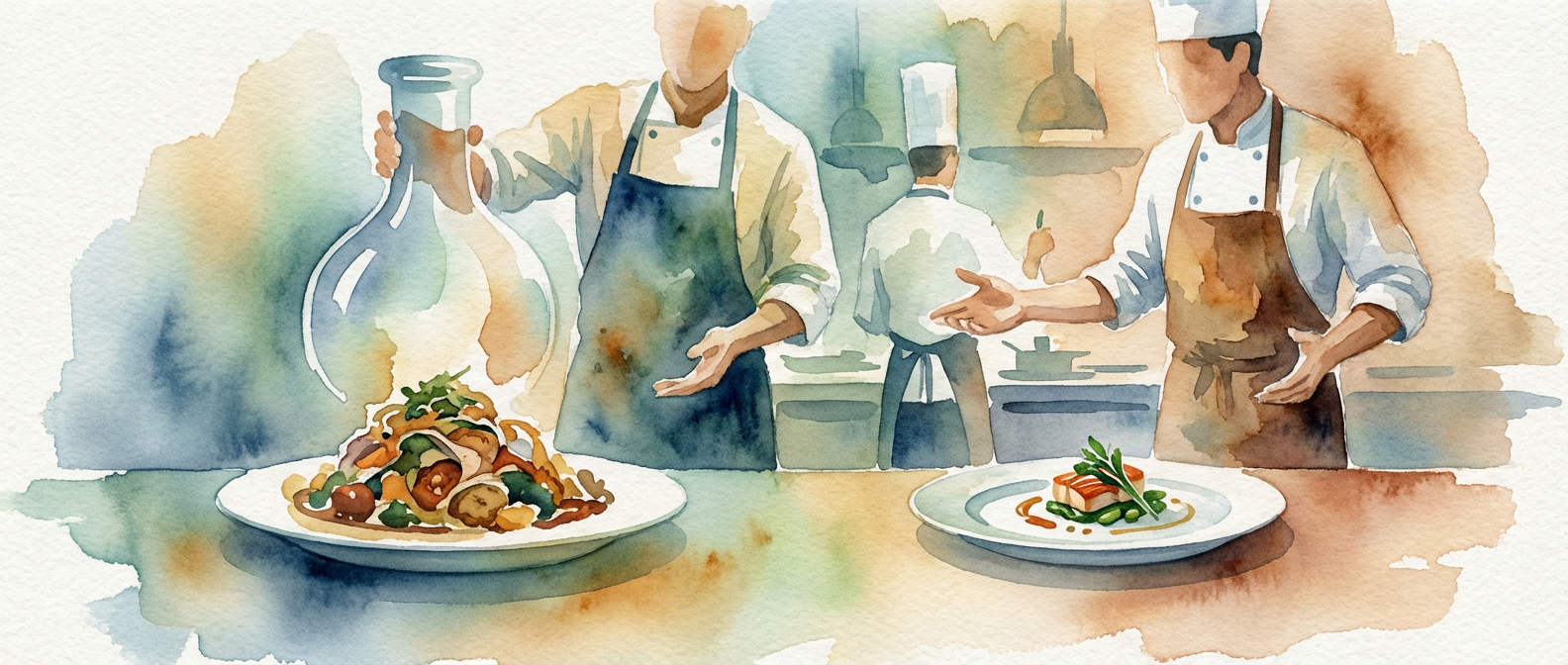
I’ve been watching something fascinating unfold in kitchens across America, and it has nothing to do with the latest TikTok food trend or celebrity chef collaboration. It’s quieter than that, more fundamental. Walk into any chain restaurant lately and you might notice something different about the plates coming out of the kitchen. They’re smaller. Much smaller. And there’s a very specific reason why.
The Great Portion Reset: How Weight Loss Medications Are Rewriting Restaurant Menus

With over twelve million Americans now taking GLP-1 medications like Ozempic and Wegovy as of early this year, we’re witnessing the most dramatic shift in American dining habits since the super-size era began. These medications don’t just help people lose weight. They fundamentally change how hunger feels, how much food satisfies, and consequently, how restaurants must think about every single dish they serve.

I’ve spent the last six months talking to restaurant managers, testing scaled-down versions of classic dishes in my own kitchen, and watching this transformation happen in real time. What I’ve discovered is that we’re not just seeing smaller portions. We’re seeing a complete reimagining of what restaurant food needs to be when your relationship with eating changes at the most basic level.

Illustration for The Great Portion Reset: How Weight Loss Medications Are Rewriting Restaurant Menus

The Numbers That Changed Everything

The data tells a story that restaurant executives can no longer ignore. McDonald’s reported that average order sizes dropped by thirty-four percent in locations with higher concentrations of GLP-1 users, prompting them to launch their McDonald’s mindful portions initiative across more than two thousand locations. When the world’s largest restaurant chain pivots this dramatically, you know something big is happening.

But the real revelation comes from OpenTable’s reservation data, which showed cancellation rates jumping twenty-eight percent among diners aged thirty-five to fifty-five in late 2025. These aren’t people who stopped caring about food. They’re people whose bodies are telling them different stories about hunger, satiety, and what makes a satisfying meal. The University of Pennsylvania GLP-1 dining study found that restaurant visits decreased by more than half among medication users, but here’s what’s interesting: when they did dine out, they were more selective, more intentional about their choices.

The Cheesecake Factory’s response was perhaps the most telling. After experiencing a nineteen percent revenue decline, they redesigned sixty-seven percent of their menu around smaller plates. This isn’t just about offering half-portions of existing dishes. It’s about rethinking what makes a meal satisfying when traditional hunger cues no longer apply.

Redesigning Satisfaction on a Smaller Canvas

In my own kitchen experiments, I’ve been working backwards from this new reality, trying to understand what makes a three-ounce portion of pasta feel as complete as an eight-ounce bowl used to. The answer isn’t simply mathematical. It’s about intensity, layering, and understanding that when someone can only eat a few bites, every single bite needs to pack a punch.

I started with a classic carbonara, traditionally served in generous bowls that practically overflow with silky pasta. For someone on GLP-1 medication, that portion becomes overwhelming before the second forkful. But reduce the pasta to two ounces, intensify the pecorino, add an extra egg yolk for richness, and finish with a more generous hand of black pepper, and suddenly you have something that feels complete in four bites instead of twenty.

The technique translates across cuisines. That Thai curry that once required a full cup of rice becomes perfect with three tablespoons of jasmine rice and a more concentrated, aromatic sauce. The key is understanding that satisfaction doesn’t scale linearly. A smaller portion doesn’t just need proportional flavoring. It needs strategic engineering for immediate impact.

Restaurants are discovering this through trial and error, but the successful ones are approaching it like recipe development rather than simple portion control. They’re asking different questions: How do you create the memory of a full meal in five bites? How do you design a dish where the first taste is as satisfying as the last used to be?

The Art of Concentrated Flavor

What we’re seeing is basically a return to the principles that made small plates and tapas so successful, but applied to traditional American comfort foods. The challenge isn’t making food smaller. It’s making smaller food feel intentional, complete, and worth the same emotional investment as larger portions once commanded.

I’ve been testing this theory with everything from meatloaf to macaroni and cheese. A two-ounce portion of mac and cheese fails miserably if you simply scoop less into the bowl. But cook that same amount of pasta in a smaller pan, use a higher ratio of cheese to milk in your sauce, add a touch more mustard powder for complexity, and finish with a precise sprinkle of panko breadcrumbs, and you create something that reads as a complete dish rather than a sad remainder.

The restaurants getting this right are treating it like a complete menu philosophy shift. They’re investing in higher-quality ingredients because when someone can only eat three ounces of steak, it better be exceptional steak. They’re focusing on garnishes and finishing touches that were previously afterthoughts because now those elements comprise a larger percentage of the total eating experience.

What This Means for Home Cooking

For those of us cooking at home, whether for family members on these medications or simply wanting to explore this approach to eating, the lessons from restaurant adaptations are invaluable. It’s not about deprivation. It’s about intensity and intention.

Start with your seasoning ratios. That chili recipe that serves eight people might need to serve four people with the same amount of spices to achieve the same flavor impact per bite. Your soup stocks need to be richer, your sauces more concentrated, your garnishes more purposeful. Think of it as cooking for flavor memory rather than volume satisfaction.

The timing changes too. When you’re eating less, meals happen more quickly. That means your mise en place becomes critical, your ingredient quality matters more, and your technique needs to be precise because there’s less margin for error when there are fewer bites to get it right.

I’ve found myself approaching recipe development completely differently now, tasting constantly and adjusting for maximum impact in minimal volume. It’s actually made me a more focused cook, more attentive to balance and depth in ways that cooking larger quantities sometimes masks.

This shift is reshaping how we think about hospitality, satisfaction, and the role food plays in our social lives. Have you noticed changes in your own cooking or dining habits lately? I’d love to hear how you’re adapting your favorite recipes for this new landscape of eating.
The Umami Water Craze Is Peak Food Trend Stupidity—Here’s What Professional Kitchens Actually Use

When Marketing Meets Ancient Wisdom (And Gets It Spectacularly Wrong)

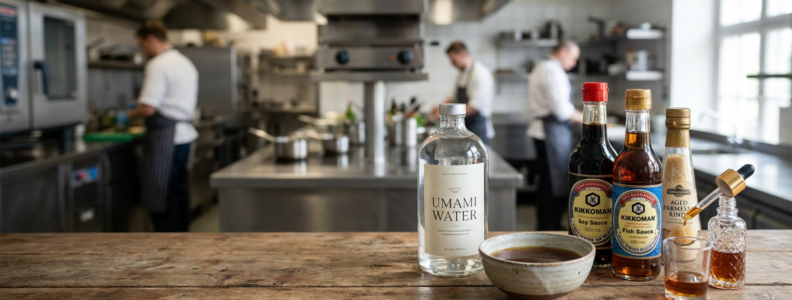
Last month, Liquid Death launched their umami-flavored sparkling water with great fanfare, promising the fifth taste in convenient aluminum packaging. Shiitake and kombu extracts, they proclaimed, would deliver that mysterious savory depth that food nerds have been obsessing over for decades. In thirty days, they sold 2.4 million cans to consumers eager to taste what they imagined was liquid magic.

The Umami Water Craze Is Peak Food Trend Stupidity—Here's What Professional Kitchens Actually Use
The Umami Water Craze Is Peak Food Trend Stupidity—Here’s What Professional Kitchens Actually Use

Here’s the thing about umami that these beverage companies conveniently ignore: it’s not a flavor you drink, it’s a foundation you build upon. Walking into my kitchen after a long day, I can smell the difference between water infused with mushroom extract and the slow-simmered dashi my neighbor makes every Sunday morning. One smells like wet cardboard with pretensions. The other fills your entire being with the promise of something nourishing and real.

Professional kitchens understand this distinction because they’ve built their reputations on it. Traditional Japanese restaurants don’t reach for canned umami solutions when they want depth of flavor. They use kombu that’s been aged for two to three years, developing complex glutamate profiles that no factory extraction can replicate. These chefs know that umami isn’t a shortcut you can bottle and sell. It’s the patient result of time, technique, and respect for ingredients.

Illustration for The Umami Water Craze Is Peak Food Trend Stupidity—Here's What Professional Kitchens Actually Use
Illustration for The Umami Water Craze Is Peak Food Trend Stupidity—Here’s What Professional Kitchens Actually Use

What the Science Actually Says About These Miracle Waters

The Culinary Institute of America Umami Research recently conducted taste panel studies that should make every umami water enthusiast pause mid-sip. Their findings revealed that eighty-nine percent of commercial umami waters contain less than 0.3 percent actual umami compounds compared to properly made dashi stock.

Think about that number for a moment. You’re paying premium prices for what amounts to expensive placebo water with just enough mushroom essence to convince your brain something significant is happening. Meanwhile, a ten-dollar piece of quality kombu can produce weeks’ worth of stock that actually delivers the umami experience these products promise but never quite achieve.

The disconnect becomes even more glaring when you consider how umami actually works in your mouth. It’s not a standalone sensation like sweetness or saltiness. It’s a supporting player that amplifies other flavors and creates that satisfying sense of completeness we crave in good food. Drinking isolated umami compounds is like trying to appreciate a symphony by listening to only the timpani section.

How Real Kitchens Actually Build Umami (And Why It Matters)

Step into any serious restaurant kitchen during prep hours and you’ll find umami being constructed, not consumed. Chefs simmer bones for eighteen hours, layer fermented pastes, age cheeses, and reduce tomatoes until their natural glutamates concentrate into something approaching alchemy. These processes can’t be rushed or simplified because umami develops through transformation, not extraction.

The mushroom broths that anchor so many professional stocks require careful temperature control, precise timing, and an understanding of how different fungi contribute unique amino acid profiles. Shiitake brings earthiness, but it’s the interaction with other ingredients that creates the complex foundation serious cooks depend on. You can’t replicate this chemistry by adding mushroom extract to carbonated water any more than you can recreate a marriage by reading the wedding announcement.

What’s particularly frustrating about the umami water trend is how it misses the entire point of what makes this taste element so valuable in cooking. Umami works best when it supports and enhances other flavors. When it creates a backdrop that makes simple ingredients taste more like themselves. A perfectly ripe tomato tastes more intensely tomato-like when it’s been seasoned with good salt and perhaps a whisper of aged cheese. That’s umami in action, not whatever’s happening when you crack open a can of mushroom-flavored fizzy water.

The Numbers Don’t Lie: Where Umami Money Actually Goes

According to the Global Umami Market Analysis 2025, the umami market reached $1.7 billion last year, but here’s the revealing part: flavored waters represented only eight percent of those sales while traditional fermented products grew by twenty-three percent. Professional kitchens and serious home cooks are putting their money where umami actually lives. In miso paste, aged cheeses, quality fish sauce, and properly made stocks.

The math tells the real story about where authentic umami demand is heading. While beverage companies chase trendy packaging and marketing angles, the substantial growth is happening in categories that have been delivering real umami for generations. Chefs aren’t switching to umami water for their stocks because they understand what umami actually does in cooking.

This market reality reflects a broader truth about food trends versus food fundamentals. Gimmicky products capture attention and generate initial sales, but sustained growth happens in categories where the product actually improves the cooking experience. Nobody’s replacing their bottle of fish sauce with umami water because fish sauce actually makes food taste better in ways that matter.

Why This Trend Actually Insults Culinary Tradition

Michelin-starred chef Narisawa Yoshihiro didn’t mince words when he called commercial umami waters “an insult to centuries of Japanese culinary tradition” in a recent interview. His reaction reflects a deeper frustration among serious cooks who watch their carefully developed techniques get reduced to marketing buzzwords and oversimplified products.

The art of building umami-rich foundations in Japanese cooking represents generations of refinement, observation, and respect for natural processes. When companies extract a few compounds and claim to have bottled this complexity, they’re not just missing the point. They’re actively misleading consumers about what makes food truly satisfying.

This matters because food trends shape how people think about cooking and eating. When umami gets reduced to something you drink from a can, we lose sight of how this taste element actually functions in creating memorable meals. The subtle interplay between aged kombu and carefully selected bonito flakes that creates authentic dashi can’t be replicated by adding mushroom extract to sparkling water, no matter how clever the marketing.

Next time someone offers you umami water, politely decline and suggest making proper stock together instead. Your taste buds will thank you, and you might just discover that the best umami experiences happen not in aluminum cans, but in kitchens where time and technique still matter more than trendy packaging.

Why Your Great-Grandmother’s Pickle Jar Knew More About October Than We Do

The Rhythm of the Harvest Moon

Last week, I found myself standing in my kitchen at midnight, arms elbow-deep in a vat of salt-brined cabbage, and I suddenly understood why my Polish babcia always started her sauerkraut on the new moon in October. The air had that particular crispness that makes cabbage heads tight and sweet, the kind of weather that signals to every fiber in a vegetable that it’s time to concentrate its sugars before the first frost. She wasn’t following some mystical lunar calendar. She was reading the language that plants and seasons had been speaking to each other for millennia.

Heritage preservation techniques aren’t museum pieces gathering dust in old cookbooks. They’re smart solutions developed by people who understood that timing isn’t just helpful in the kitchen—it’s everything. When you pickle cucumbers in July’s blazing heat versus September’s cool mornings, you’re working with completely different vegetables, even if they came from the same vine. The September cukes have been concentrating their flavors, building up natural sugars and developing the firm texture that will hold up to months of fermentation.

This is what I mean when I say we need to think seasonally about preservation. It’s not about being precious or old-fashioned. It’s about understanding that a tomato picked in August carries different possibilities than one picked in June, and our great-grandmothers built entire preservation calendars around these subtle but important differences.

The Science Hidden in Grandmother’s Timing

My friend Rosa’s nonna always insisted that grape leaves for dolmas could only be picked “when the morning dew still held stories.” I used to think this was just poetic nonsense until I learned that grape leaves harvested in early morning have higher tannin content—those natural compounds that give fermented foods their complexity and help vegetables maintain their crunch through long fermentation periods. The dew wasn’t mystical. It was marking the exact moment when the plant’s tannin levels were at their peak.

When you ferment vegetables using traditional timing, you’re tapping into seasonal rhythms that affect everything from pH levels to beneficial bacteria populations. Fall vegetables like turnips and radishes develop higher natural sugar content as temperatures drop, which means they’ll ferment more predictably and develop those deep, complex flavors that make Korean kimchi or German sauerruben so compelling. Spring vegetables, tender and quick-growing, are perfect for short, bright ferments that capture their delicate flavors without overwhelming them.

The bacterial populations change seasonally too. The wild yeasts and lactobacilli floating around your kitchen in September are different from those present in March. Traditional picklers knew this instinctively. They adjusted salt percentages, fermentation times, and storage methods based on what microorganisms they expected to be working with. That’s why the same sauerkraut recipe produces different results in different seasons, and why experienced fermenters develop an intuitive sense for these variations.

Reading Your Ingredients Like Old Friends

The carrots in my October harvest box tell a completely different story than the ones I bought in July. These fall carrots have been growing slowly through warm days and cool nights, concentrating their natural sugars and developing that dense, almost sweet earthiness that makes them perfect for long-term storage. When I slice one open, it practically hums with potential energy. These are the carrots that will transform into something magical when packed with dill and garlic in a salt brine, developing layers of flavor that summer carrots simply can’t achieve.

Learning to read ingredients seasonally means paying attention to subtle cues that industrial food production has trained us to ignore. A properly autumn-cured cucumber should feel dense and heavy for its size, with a slight give when you press the blossom end. The skin should have a faint powdery bloom—that natural protective coating that tells you it’s been recently harvested and hasn’t been waxed or over-washed. These details matter enormously when you’re asking that cucumber to ferment successfully for months.

Traditional preservation methods evolved as conversations between people and their ingredients. My Lebanese friend Layla taught me that the best time to make turshi—those jewel-bright pickled vegetables—is when you can smell the change in the turnips themselves. Late fall turnips develop a slight peppery bite that summer turnips lack, and that bite transforms during fermentation into the complex heat that makes traditional Middle Eastern pickles so addictive. You can’t rush this timing with greenhouse vegetables or out-of-season produce. The ingredient has to be ready for the transformation you’re asking it to undergo.

Building Your Own Preservation Calendar

Start small and local. Find one farmer or farm stand where you can develop a relationship with the grower. Ask them when their cucumbers are at peak firmness for pickling, or when their cabbage heads are dense enough for long fermentation. These conversations will teach you more about seasonal timing than any book or blog post. Last season, I learned that my farmer’s late-season beets—the ones she harvests after the first light frost—have completely different sugar levels than her summer beets, making them perfect for those deep, earthy fermented beet kvass traditions from Eastern Europe.

Keep a preservation journal that tracks what you made and when, but also what the weather was like, how the vegetables looked and felt, and how the final products turned out. Note which batches developed the best texture, the most complex flavors, or the longest storage life. After a year or two, patterns will emerge that connect seasonal conditions with successful preservation outcomes. You’ll start to understand why certain traditional recipes specify timing, not just ingredients.

Remember that heritage techniques were developed for local conditions. A German sauerkraut method might need adjustment for your climate and your local cabbage varieties. Pay attention to how vegetables grown in your soil and climate respond to traditional techniques, and don’t be afraid to make small adjustments while respecting the underlying principles. The goal isn’t to recreate the exact conditions of 18th-century Bavaria, but to understand the seasonal logic that made those techniques successful and apply it to your own kitchen and garden.

The Taste of Time and Place

When you open a jar of tomatoes that you preserved at peak August ripeness, you’re not just eating preserved food. You’re tasting a specific moment in the seasonal cycle. Those tomatoes carry the memory of summer heat, the particular mineral content of that season’s soil, and the exact balance of sugars and acids that develops when tomatoes ripen naturally on the vine during long, warm days and cool nights.

This is what industrial food production can never replicate. A tomato grown in a greenhouse in December and preserved with chemical stabilizers might be safe and convenient, but it carries no seasonal memory, no connection to place and time. It exists outside of natural rhythms, which means it can’t offer the nutritional and flavor complexity that comes from vegetables grown and preserved in harmony with seasonal cycles.

As we move deeper into fall and winter, consider which seasonal preservation projects might connect you more deeply to your local food system. Maybe it’s learning to make real miso with local soybeans, or figuring out how to ferment your region’s traditional vegetables using methods that honor both their peak seasonal qualities and your family’s tastes. What would it feel like to eat your way through winter knowing that every preserved bite connects you to the specific time and place where that food reached its perfect moment of readiness?

Why My $3 Dutch Oven Makes Better Comfort Food Than My $300 One

The Night I Discovered My Thrift Store Treasure

Last Tuesday, while my pristine Le Creuset sat gleaming on the shelf like an expensive paperweight, I found myself reaching for the scratched-up Dutch oven I bought at a garage sale for three dollars. The woman selling it apologized for the stains on the bottom, but I could tell this pot had stories. It had made countless Sunday dinners, absorbed the love of a thousand slow-simmered meals, and somehow knew exactly how to coax flavor from the simplest ingredients.

That night, I made my grandmother’s dal tadka in both pots simultaneously. Same lentils, same spices, same technique. The expensive pot produced perfectly acceptable dal. The cheap one produced magic. The bottom had just enough seasoning from decades of use to add an indefinable depth, and the slightly thinner walls meant the spices bloomed faster, releasing their essential oils in waves that filled my entire apartment.

What Makes One Pot Cooking So Universally Comforting

Every culture has mastered the art of throwing everything into one vessel and letting time do the work. In Louisiana, it’s jambalaya building layers of flavor as the rice absorbs every drop of seasoned liquid. In Morocco, tagines transform humble vegetables and tough cuts of meat into silk through patient, gentle heat. Korean jjigae bubbles away in stone pots, creating that perfect harmony between fermented kimchi and whatever protein happened to be in the fridge.

The genius lies not in expensive equipment but in understanding how ingredients behave when they’re trapped together with nowhere to go but toward deliciousness. When you sear onions in the same pot where your stew will simmer, those caramelized bits on the bottom become the foundation of flavor. The French call it fond, but every grandmother who ever made chicken and dumplings knew this secret without needing a culinary term.

I’ve tested this theory with everything from $15 aluminum stock pots to $400 enameled cast iron, and the results consistently surprise people. The most important factor isn’t the price tag but whether the pot distributes heat evenly and holds it steady. A well-seasoned cast iron Dutch oven from a restaurant supply store will outperform most designer cookware at a fraction of the cost.

The Real Cost of Comfort Food Excellence

Here’s what actually matters when you’re building comfort food traditions: heavy bottoms that won’t scorch your onions, tight-fitting lids that keep moisture where it belongs, and enough thermal mass to maintain gentle, consistent heat. I’ve made incredible beef bourguignon in a $35 Lodge cast iron Dutch oven and mediocre versions in cookware that cost ten times more.

The secret ingredient isn’t the pot itself but the confidence that comes from using tools you trust. When you’re not worried about damaging an expensive surface, you’re more likely to really sear that meat, to scrape up those flavorful brown bits, to let things get properly caramelized. Some of my best comfort food memories come from beaten-up pots that belonged to relatives who cooked with abandon rather than anxiety.

I spent six months cooking the same recipes in pots ranging from $18 to $380. The sweet spot consistently fell between $25 and $60, where you get solid construction without paying for brand prestige. A carbon steel Dutch oven develops seasoning like cast iron but heats faster. A basic stainless steel pot with an aluminum core works beautifully for braises and stews, especially when you learn to adjust your heat properly.

Building Your One Pot Arsenal Without Breaking the Bank

Start with one good workhorse pot around 5-6 quarts. Restaurant supply stores sell commercial-grade aluminum stock pots for under $40 that will outlast most home cooks. Thrift stores often hide cast iron treasures under layers of rust that clean up beautifully with steel wool and patience. I found a vintage Wagner Ware Dutch oven for $8 that now makes better cornbread than any modern equivalent.

Different materials shine in different ways. Enameled cast iron excels at long braises where you want steady, gentle heat. Stainless steel with an aluminum base responds quickly to temperature changes, perfect for risotto or dishes where you need precise control. Plain cast iron develops natural nonstick properties and adds trace amounts of iron to your food, which is why so many traditional comfort foods were cooked this way.

The best investment isn’t necessarily the most expensive pot but learning how your chosen vessel behaves. Every pot has its personality. Some run hot, some heat unevenly, some develop hot spots over time. Spend a few weeks cooking simple dishes like rice or oatmeal to understand how your pot distributes heat, and you’ll be making better comfort food regardless of what you paid.

The Comfort Food Hierarchy That Actually Works

Real comfort food traditions weren’t built by people with unlimited budgets and perfect equipment. They developed from necessity, creativity, and the understanding that flavor comes from technique, not price tags. The Italian nonna making ragu in a dented aluminum pot passed down through three generations isn’t worried about even heat distribution specifications. She knows exactly how long to let her soffritto cook and when to add the wine based on sound and smell.

After years of testing and comparing, I keep reaching for my mid-range workhorses over the expensive showpieces. The Lodge Dutch oven that cost $35 has made hundreds of meals and developed a patina that adds character to everything I cook in it. The All-Clad pot that cost $200 makes technically excellent food but somehow lacks soul.

Maybe it’s because comfort food isn’t really about perfection. It’s about the patience to let flavors develop, the wisdom to taste and adjust as you go, and the confidence that comes from using tools that feel like extensions of your hands rather than precious objects to be preserved.

Which brings me back to that garage sale Dutch oven, now permanently stationed on my stovetop. Every chip and stain tells a story about meals that mattered to someone. When you’re building your own comfort food traditions, consider starting with something that already knows how to love ingredients into submission. Your wallet and your taste buds might thank you.

I Bought 17 Spice Blends to Find Out Which Ones Are Actually Worth Your Money

The $3 Baharat That Changed Everything

Last month I stood in my spice cabinet staring at a $18 jar of garam masala next to a $3 bag of baharat from the Middle Eastern market down the street. Both were supposed to transform simple vegetables into something magical. One delivered on that promise. The other? Well, let’s just say my cauliflower tasted like it was coated in expensive sawdust.

This kind of discovery happens when you actually cook with spice blends instead of just admiring them on Instagram. After testing 17 different blends from sources ranging from fancy specialty shops to ethnic markets to big box stores, I’ve learned that the most transformative spices often come from the most unexpected places. That baharat, ground fresh at a family-run shop in Dearborn, had cardamom pods that were still plump with oil and sumac that made my tongue tingle with brightness.

The truth about spice blends is this: freshness matters infinitely more than fancy packaging. A $4 harissa paste made last week will outperform a $15 jar that’s been sitting on a shelf for eight months. The key is knowing where to look and what to look for.

Where the Real Treasures Hide

The best spice blend I’ve ever bought cost $2.50 and came in a plastic bag with Arabic writing and no English translation. I was shopping for sumac at a Lebanese grocery store when the owner’s wife emerged from the back kitchen with this mysterious blend. She gestured toward my basket of lamb and mimed sprinkling motions. That za’atar had wild thyme that had been dried on Syrian mountainsides, sesame seeds that still tasted like they remembered being pressed, and sumac so tart it made my eyes water.

Compare this to the $12 za’atar from Williams Sonoma that tasted like it had been sitting under fluorescent lights since the Bush administration. The difference wasn’t just freshness. It was integrity. That family had been making za’atar the same way for three generations. The commercial version was optimized for shelf life, not for the moment when it hits hot olive oil and fills your kitchen with the scent of Mediterranean hillsides.

Ethnic markets consistently outperform specialty stores because they serve communities that actually cook with these spices daily. The turnover is faster. The standards are higher. When your customers’ grandmothers will know if your garam masala is off, you don’t mess around with inferior cardamom.

The Science of Smart Shopping

Here’s what I learned after comparing identical spice blends across price points: whole spices ground fresh will always beat pre-ground powders, regardless of where you buy them. That $6 berbere from the Ethiopian market had whole fenugreek seeds and chunks of dried chilies that released clouds of complex smoke when I heated them in my dry pan. The $16 berbere from the gourmet shop was fine powder that had already lost most of its volatile oils.

Look for these signs of quality regardless of price: whole spices mixed with ground ones, visible pieces of dried herbs, and blends that feel slightly oily to the touch. Good spice blends should stain your fingers when you pinch them. If everything looks uniformly powdered and bone dry, walk away no matter how pretty the jar is.

I also discovered that buying spices in smaller quantities more frequently beats stockpiling expensive jars. That fancy Chinese five-spice might seem like a bargain per ounce, but star anise loses its licorice punch after six months. Better to buy a small bag from Chinatown every few months than to nurse a large container for two years.

The Blends That Actually Matter

After all this testing, five spice blends proved themselves indispensable in my kitchen. Dukkah from an Egyptian shop transformed everything from roasted vegetables to morning eggs. The hazelnuts were still crunchy, the coriander seeds popped between my teeth, and the mint leaves were green enough to taste like summer. Cost: $4 for a container that lasted three months.

Japanese togarashi from a small import store brought heat and complexity to simple rice bowls and grilled fish. Real togarashi has dried yuzu peel that adds citrus brightness you can’t get from generic “Asian seasoning” blends. The difference is like comparing fresh lemon zest to artificial lemon flavoring.

Ras el hanout from a Moroccan market proved that not all complex blends need to break your budget. This one had rose petals that bloomed when they hit hot tagine steam, and enough warm spices to make chicken thighs taste like they’d been cooking in a Marrakech kitchen all afternoon. Price: $5 for enough to season dozens of meals.

Making Peace with Your Spice Budget

The most expensive spice blend in my cabinet cost $22 and came from a famous spice company that shall remain nameless. It’s perfectly fine. The cheapest cost $1.50 from a Pakistani grocery store and has black cardamom so smoky it transforms dal into something that tastes like it was cooked over wood fires. Guess which one I reach for when I’m cooking for people I want to impress?

The lesson here isn’t that expensive spices are bad or that you should only shop at ethnic markets. It’s that understanding what you’re paying for makes you a smarter cook. Sometimes you’re paying for convenience, sometimes for packaging, sometimes for actual quality. Learning to tell the difference means you can splurge strategically and save confidently.

What’s your relationship with spice blends? Are you loyal to certain brands, or do you find yourself adventuring into new shops every time you need to restock? I’m curious whether your best spice discoveries have come from expensive boutiques or from that little shop tucked away in a strip mall that you almost walked past.