Author Archives: Myrtle Garcia

Omakase Fatigue Is Real: Why the $400 Counter Experience Is Collapsing and What’s Replacing It

The Unraveling of the Premium Tasting Menu

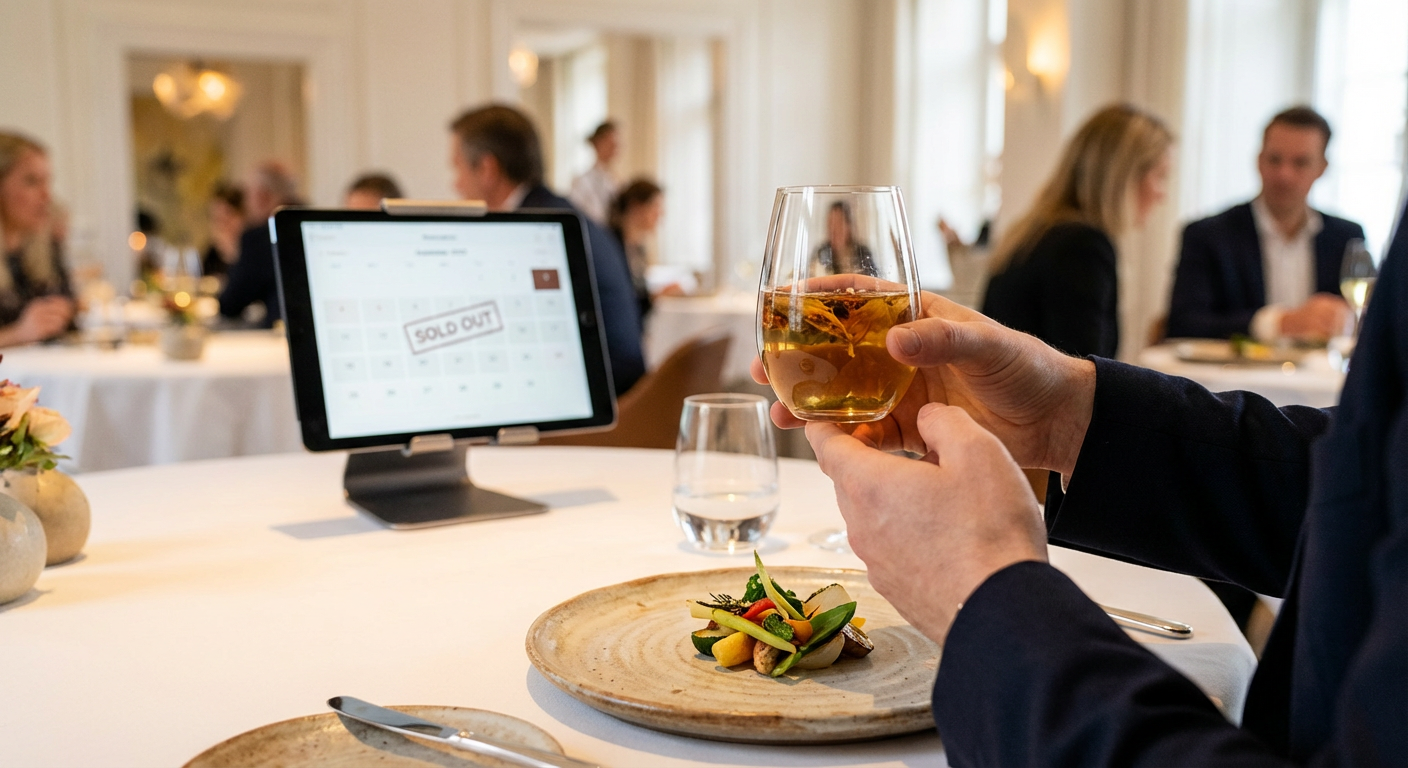
There’s a moment that happens around course twelve of a nineteen-course omakase experience. Your palate has gone numb. Your jaw aches from chewing. You’ve lost count of how many types of fish you’ve consumed, and honestly, they’re starting to taste like variations of the same oceanic memory. The chef is still working, still presenting each piece with the reverence it deserves, but you’re exhausted. This used to be the dream. Now, it’s becoming the reason people stop booking reservations altogether.

The numbers tell a story that many in the fine dining world have been reluctant to acknowledge. According to OpenTable dining trends and reservation data, reservation completions at restaurants charging over $300 per person for tasting menus declined 19 percent year-over-year in the third quarter of 2025. Meanwhile, casual counter-service concepts grew bookings by 31 percent in the same period. This isn’t a minor shift. This is a fundamental recalibration of what diners actually want when they sit down to eat.

When More Became Less Appealing

I remember when a tasting menu felt transgressive and thrilling. Each course was a conversation between chef and diner, a narrative arc told through technique and ingredients. The length of the menu was part of its appeal. It signaled commitment, artistry, abundance. But somewhere between 2021 and now, something fundamental changed in how we experience food at the counter.

A 2025 Resy consumer sentiment survey of 5,000 diners revealed that 71 percent described long tasting menus as exhausting rather than exciting. Compare that to the same survey from 2021, when 68 percent had called them aspirational. This isn’t just a preference shift. It’s a reversal. The very thing that used to signal status and culinary enlightenment now triggers dread in reservation-making.

Consider what happened with Sushi Noz in New York, once considered the gold standard of omakase dining. The restaurant restructured to a hybrid à la carte model. Fourteen high-profile omakase restaurants in the city closed or pivoted between January 2025 and February 2026. These weren’t failing establishments or poorly executed concepts. They were institutions that had perfected their craft. What they hadn’t perfected was understanding that their guests had changed.

The Price Problem That Became Unavoidable

The economics of this collapse make sense once you examine them closely. According to Aaron Allen & Associates restaurant pricing analysis, the average price per seat at US omakase restaurants increased 47 percent between 2020 and 2024. Nearly five years of aggressive price increases, compounded annually, driven by ingredient costs, labor demands, and the perceived market value of the experience.

But here’s what many restaurant operators underestimated: price increases at that magnitude create a psychological barrier that goes beyond simple math. A $300 meal feels like an occasion. A $400 meal starts to feel like an obligation. When you’re spending that much, you’re not just paying for food anymore. You’re paying for the experience to justify the cost. And if that experience involves sitting still for three hours while course after course arrives at a pace designed by the chef rather than suited to your appetite and energy, the value proposition collapses.

There’s also a fatigue that comes with the commitment itself. Booking a table months in advance, marking the date on your calendar, mentally preparing yourself, and then showing up with expectations that have been building for weeks creates a kind of pressure that shouldn’t accompany eating. Food should delight. It shouldn’t demand so much from us emotionally before we even sit down.

What’s Actually Working Now

The restaurants finding success right now are thinking differently about pacing, portion, and price. Chef Dominique Crenn made this explicit when she announced in September 2025 that Atelier Crenn would permanently reduce its tasting menu from nineteen to eleven courses and cut the price by $90. Her reasoning was refreshingly direct: guest feedback about pacing and value fatigue. She saw what the data had already shown and acted on it.

What’s replacing the marathon tasting menu looks less like theater and more like conversation. Shorter menus. À la carte options. Counter experiences where you can eat for ninety minutes instead of three hours. Chefs who are confident enough in their cooking that they don’t need to prove it across a dozen courses. The shift feels like maturity, honestly. Like the industry is finally asking itself what guests actually want instead of what they think guests should aspire to.

The restaurants thriving now are the ones offering choice within excellence. You might sit at a counter and order seven courses instead of nineteen. You might mix chef’s selections with your own preferences. You might finish dinner and actually feel ready to move on with your evening. It sounds simpler, but simplicity at that level of skill and ingredient quality is actually more sophisticated.

Learning to Cook What We Actually Want to Eat

This shift has implications beyond restaurant dining. It’s reminding us of something important about food itself: more is not inherently better. When we cook at home, we often fall into the same trap, feeling like a dinner is only successful if it has multiple courses, multiple components, multiple demonstrations of culinary ambition. But the most memorable meals I’ve experienced, both in restaurants and at tables with friends and family, were often remarkably simple. Built on excellent ingredients prepared with care and knowledge, but not demanding everything from us at once.

The collapse of the $400 omakase counter isn’t a tragedy. It’s a correction. The market is telling us that we were asking too much of the experience, and in doing so, making it less meaningful rather than more so. The restaurants and chefs who understand this and adapt are going to do well. And for those of us who cook and eat, the lesson is equally valuable: let your ingredients guide you. Cook with intention. Know when you’re done. The goal of any meal is to nourish and delight, not to exhaust.
The Bitter Truth: Why Your Palate Is Ready for Flavors You Once Rejected

The Bitter Moment We’re Living In

Something peculiar is happening in kitchens and restaurants across America, and honestly, I find it kind of thrilling. Bitter flavors, long stuck in the category of “acquired tastes” that only adventurous eaters pursued, have suddenly gone mainstream. The Specialty Food Association tracked this shift in their 2025 Fancy Food Show report, documenting a 34 percent surge in product launches featuring bitter ingredients compared to just the year before. This isn’t a fleeting moment of culinary curiosity. This is a genuine reset in how we think about flavor.

Walk into any upscale restaurant these days and you’ll notice it immediately. Menus feature charred bitter greens, elaborate amaro cocktails, and braised dishes built around the sharp edge of radicchio and chicory. The National Restaurant Association 2025 Industry Report tells us that aperitivo-style dining has grown by 28 percent in American restaurants between 2024 and 2025. People aren’t just tolerating bitterness anymore. They’re seeking it out, celebrating it, building entire meals around it.

Understanding What Changed in Your Taste Buds

Here’s where the science gets genuinely fascinating. Your taste buds aren’t fixed entities locked into childhood preferences. They’re plastic and responsive, rewiring themselves based on what you expose them to. A 2025 study from the journal Chemical Senses examined this directly, following adults over 30 as they encountered bitter compounds like quinine and gentian root repeatedly over time. The researchers found that preference for these flavors increased by up to 40 percent through exposure alone. Every time you sip something bitter, you’re literally training your palate to enjoy it more.

This explains why your grandmother could savor a cup of bitter coffee or a glass of Campari with such obvious pleasure while you once recoiled from both. It wasn’t that she had different taste buds. She simply had years of repetition behind her. The bitterness activated taste receptors on her tongue that send signals to her brain, and over time, that neural pathway became associated with pleasure rather than warning. What started as learned behavior eventually became genuine preference, written into her sensory experience.

The drinks market is reflecting this shift clearly. Sales of Campari and Aperol in the United States climbed 19 percent in 2024 alone, according to IWSR Drinks Market Analysis on Aperitivo Spirits. These aren’t subtle, approachable flavors. These are bold botanical bitters meant to be sipped and contemplated. The fact that so many people are now buying them suggests the population has collectively decided that bitterness deserves a place at the table.

The Vegetables That Started This Renaissance

If there’s a single ingredient that triggered this flavor shift in home cooking, it’s radicchio. This purple and white striped Italian chicory has moved from specialty-market obscurity to something you can find at most conventional grocers. USDA Agricultural Trade data shows that radicchio imports from Italy to the United States increased by 22 percent during the 2024-2025 growing season. That’s not a small shift. That’s home cooks actively demanding more of something they once avoided.

What makes radicchio so useful here is how it teaches your palate. When you cook radicchio, something interesting happens. Heat breaks down its cellular structure and mellows the aggressive bitterness slightly, while caramelizing its natural sugars. You get this complexity where sweet and bitter push against each other in a good way. It’s the gateway bitter vegetable, the training wheels for those of us building a genuine appreciation for these flavors.

Three Techniques for Mastering Bitterness at Home

Let’s get practical about working with these flavors in your own kitchen, because knowing the science is one thing. Actually cooking with bitterness is another entirely. The first principle is heat. Bitter compounds become less aggressive at moderate to high temperatures. When you’re working with radicchio, chicory, or dark leafy greens like dandelion, resist the urge to cook them gently. Char them. Roast them at 425 degrees until the edges blacken and curl. That char creates caramelized sugars that provide counterpoint to the bitterness. Same reason a properly roasted coffee bean tastes better than a light-roasted one, even though both are technically more bitter than weak coffee.

The second principle is contrast. Bitterness becomes more interesting, more palatable, when surrounded by other flavors. Pair your bitter greens with something rich and fatty. A radicchio salad gains real depth when dressed with walnut oil and topped with shaved pecorino. The fat coats your palate, slowing down how quickly bitter compounds reach your taste receptors. The salt and umami from the cheese create a savory anchor that makes the bitterness feel intentional rather than accidental. Once you understand this balance, building a plate starts to feel less like guesswork.

The third principle is repetition, and this one requires patience. Start small. Add a handful of bitter greens to a salad you already love. Sip that amaro or Campari once a week, maybe with a small piece of dark chocolate nearby. Each exposure rewires your taste buds slightly. Within a few weeks, you’ll notice that what once seemed aggressively unpleasant now tastes interesting, complex, even welcome. This isn’t magical thinking. It’s neurobiology. You’re creating new preferences through simple consistency.

Why Bitter Matters Beyond Flavor

There’s something worth sitting with beneath all the culinary trend talk. When we develop appreciation for bitter flavors, we’re expanding our capacity to enjoy foods that older generations knew well. Bitter greens like radicchio, chicory, and dandelion carry minerals and compounds that sweeter vegetables don’t. When we cook with them, we’re not just chasing a trend. We’re returning to older, broader ways of eating that covered the whole spectrum of flavors, not just sweet, salty, and umami.

I’d love to know what drew you to bitter flavors, or if you’re still in the early stages of figuring out whether you even like them. Share your experiments, your favorite bitter ingredients, the moment when something you once disliked suddenly clicked. That conversation is worth having.

The Umami Renaissance: How Southeast Asian Fermentation Is Reshaping American Kitchens (And Finally Getting Its Due)

The Flavor That Was Always There, Waiting to Be Named

There is a moment in every cook’s life when they taste something that rewires their entire understanding of flavor. For me, it happened in a cramped Bangkok kitchen where my friend’s mother was preparing dinner. She reached for a small jar of amber-colored paste—bagoong, the Filipino fermented shrimp condiment—and used it the way someone else might use salt. A teaspoon stirred into a broth. A dab folded into a vegetable dish. Each time, the food didn’t taste fishy or overwhelming. It tasted more like itself. More alive. This is the moment Western chefs are having right now, collectively, in restaurant kitchens from Portland to New York. And they are finally beginning to tell the truth about where this knowledge comes from.

For decades, Southeast Asian fermented condiments occupied a peculiar place in the Western culinary imagination. They were there, certainly. They appeared in recipes and on shelves in Asian markets, passed hand to hand through immigrant communities who understood their power. But they existed outside the formal conversation of Western cuisine, the one that happened in prestigious kitchens and cooking schools, in food magazines and television studios. The flavors were borrowed quietly, almost apologetically, without acknowledgment of their deep cultural roots and sophisticated techniques. That silence is breaking now, and what is emerging is a genuine reckoning with where our food comes from and who deserves credit for teaching us how to cook it.

When Excellence Becomes Impossible to Ignore

Numbers tell the beginning of a story, even if they don’t tell the whole story. Among the fifty restaurants named to the Eater Young Guns 2025 List, fermented shrimp pastes—bagoong, belacan, and their regional cousins—appeared on menus at fourteen establishments. Three years ago, in 2022, that number was three. The presence of these ingredients on menus of the nation’s most celebrated emerging restaurants signals something more than a trend. It suggests a shift in what excellence means, in what flavors Americans are now prepared to taste and celebrate.

At the same time, the Culinary Institute of America added a dedicated Southeast Asian Fermentation module to its Culinary Institute of America ProChef Program in September 2025. This was not a casual addition. It was the first standalone regional fermentation curriculum addition the school has made since Korean fermentation was incorporated in 2019. The decision to formalize Southeast Asian fermentation as a core teaching subject means this knowledge is no longer considered peripheral or exotic. It is foundational. It matters enough to teach. Institutions don’t make decisions like this without recognizing that the knowledge they are codifying has already proven its worth.

Sales data from the Asian American Grocers Association tells yet another part of the story. Imported Southeast Asian fermented condiments—fish sauce, shrimp paste, tamarind concentrate—grew 44% in United States specialty retail in 2025. These numbers represent not just restaurants but home cooks, the people who cook dinner without an audience, who are searching for these flavors because they tasted them somewhere and want to understand them better. The appetite is real. The market is responding. But the more important conversation is happening in the space between these numbers, in the kitchens where chefs are beginning to name their sources.

The Conversation About Who Taught Us

At the Madrid Fusión culinary congress in 2025, chef Margarita Forés, a James Beard Award winner who has spent her career honoring and advancing Filipino cuisine, presented a paper that positioned Filipino patis fish sauce as a direct flavor competitor to Japanese dashi in Western kitchen applications. This was not a small gesture. Dashi, the Japanese fermented seafood stock, has long held a position of prestige in Western culinary consciousness. It appears on menus of high-end restaurants without explanation. Its origins are honored in how it is discussed and taught. Forés’ work brought patis into that same conversation, not as an alternative but as an equal, demonstrating that the fermentation knowledge of Southeast Asia deserves the same respect, the same careful study, the same honoring of provenance that Western chefs have extended to Japanese, French, and Italian techniques.

This matters because food knowledge is cultural knowledge, and cultural knowledge carries with it a responsibility to remember where it comes from. When Noma, the Copenhagen restaurant that shaped much of how the Western culinary world thinks about fermentation, published its 2021 Fermentation Guide, it cited Southeast Asian techniques in 8 of its 12 foundational fermentation chapters. The reference material was there. The knowledge was documented. But in the years since that publication, the industry discourse has centered increasingly on a troubling question: Have Western chefs adequately attributed these cultural origins? Have we said the names of the people, the places, the generations of knowledge-keepers who developed these techniques?

The answer, for the most part, has been no. But that is changing. Chefs are beginning to trace their ingredients back to their sources. They are learning the names of regional variations and the families who perfected them. They are understanding that when they use bagoong from the Philippines or belacan from Malaysia, they are not simply adding a flavor to their dish. They are inviting centuries of culinary wisdom into their kitchen. That wisdom deserves a name.

What Fermentation Teaches Us About Food and Honesty

There is something honest about fermentation as a technique. You cannot rush it. You cannot fake it. You must work with time and patience and the knowledge of what you are doing. A good fermented condiment took someone’s grandmother and her grandmother before her to develop. It took observation and adjustment and failure and the kind of attention that only comes when you are feeding your family, when the stakes are personal and real.

When American chefs began to take Southeast Asian fermentation seriously, they were not just adopting new techniques. They were beginning to understand something about cooking itself. They were learning that excellence does not originate in Paris or Copenhagen or Tokyo alone. It originates wherever people have paid careful attention to their ingredients and their processes long enough to unlock the deepest flavors those ingredients contain. It originates in home kitchens and markets and the hands of people whose names we may never know but whose knowledge we benefit from every time we cook.

The rise of Southeast Asian fermentation in American restaurant kitchens is encouraging not because it represents the conquest of a new flavor frontier, but because it represents something more humble and more difficult: an acknowledgment that we have been learning from cultures other than our own, often without properly saying thank you. The work ahead is to continue that acknowledgment with specificity and respect. Credit sources. Learn the regional differences. Understand that bagoong is not the same as shrimp paste is not the same as belacan. Recognize that when we cook with these ingredients, we are in conversation with people across time and distance who knew something we needed to know.

Cooking Toward Something Better

What strikes me most about this moment is that it is still unfolding. The conversation is not finished. The curriculum continues to develop. The restaurants keep opening, the chefs keep tasting, the home cooks keep experimenting. When you cook with these fermented condiments, you become part of that conversation. You taste what your predecessors tasted. You understand, in a real and immediate way, why someone’s grandmother kept a jar of this paste in her kitchen, why she understood that a small spoonful could make everything better.

If you have never worked with Southeast Asian fermented condiments, I invite you to start. Taste them first, before you cook with them. Understand them as flavor on their own terms, not as exotica but as excellence. Learn their names and where they come from. Then use them the way they have always been used: with respect, with attention, with the understanding that you are learning something ancient and true. Your kitchen will smell amazing. Your food will taste more like itself. And you will be part of a longer conversation than you knew you were joining.

I Tried the Smash-Ferment Method That’s All Over Korean Food TikTok — And My Kimchi Has Never Been Better

The TikTok Phenomenon That Actually Delivers

You know that moment when a cooking trend goes viral and you wonder if it’s genuinely useful or just algorithmic noise? I felt that skepticism hard when I first saw the smash-ferment kimchi method flooding my feed in December. Videos of people aggressively pressing down on napa cabbage, gochugaru pepper, and aromatics in a glass jar seemed almost too simple, like someone had found a shortcut to something that should require more reverence. Then I learned that Korean-American creator @maangchi2.0 had pioneered this particular technique, and it sparked a 60% surge in searches for kimchi recipes across TikTok, accumulating over 2.1 billion views under the hashtag #KimchiRecipe by this year. The method wasn’t a dumbing-down of tradition. It was an evolution. I decided to test it.

I Tried the Smash-Ferment Method That's All Over Korean Food TikTok — And My Kimchi Has Never Been Better
I Tried the Smash-Ferment Method That’s All Over Korean Food TikTok — And My Kimchi Has Never Been Better

What struck me first was the timing. In 2025, South Korea’s Ministry of Culture submitted the kimjang tradition—the communal practice of making kimchi together—for UNESCO Intangible Cultural Heritage renewal. That official recognition of fermentation as cultural practice, combined with the James Beard Foundation naming Korean pantry cooking as its Emerging Cuisine Trend for 2026, meant that suddenly, making kimchi at home wasn’t a niche hobby. It was part of a genuine cultural moment. The pressure to get it right felt real.

Illustration for I Tried the Smash-Ferment Method That's All Over Korean Food TikTok — And My Kimchi Has Never Been Better
Illustration for I Tried the Smash-Ferment Method That’s All Over Korean Food TikTok — And My Kimchi Has Never Been Better

The Method: Smashing Your Way to Better Results

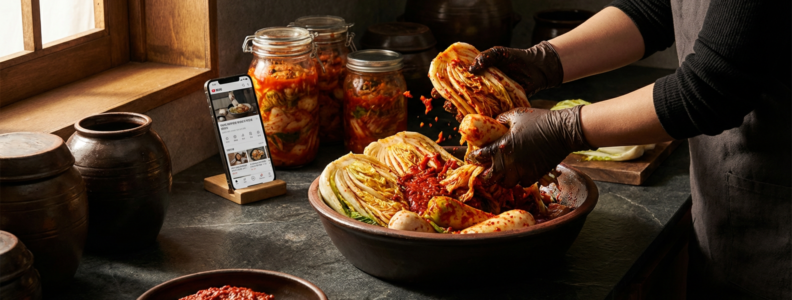
The smash-ferment approach works like this: you slice your napa cabbage into manageable pieces (I kept them about two inches wide), then layer them directly into a clean glass jar with your seasoning paste—gochugaru, garlic, ginger, fish sauce, and salt worked into a thick, fragrant mixture. Then you press. Hard. You use your knuckles, a spoon handle, or even a dedicated tamper to compress everything downward, breaking cell walls and releasing liquid. This step matters far more than I expected.

Traditional kimchi-making often involves salting cabbage separately, waiting for it to soften, then mixing it with seasonings. The smash method compresses the timeline while actually improving the fermentation process. By crushing the vegetables, you’re essentially doing the brine’s work yourself—breaking down cellular structure so that salt penetrates faster and more evenly, and liquid releases more readily. Within thirty minutes of smashing, my jar had accumulated a visible pool of liquid that covered everything. No need to wait overnight. No need to worry about vegetables floating above the brine and developing mold. The pressure solved that problem immediately.

I used gochugaru from a Korean market near my apartment, and I noticed something worth mentioning: US Customs data shows that gochugaru imports increased 34% in 2025, a direct reflection of the Korean home cooking surge. This means the pepper flakes are more widely available than ever, but quality varies wildly depending on where you source them. The flavor difference between a fresh batch and something that’s been sitting in a warehouse for two years is stark. Your kimchi’s heat and complexity depend entirely on this one ingredient.

Fermentation and the Gut Health Question

Once your jar is sealed and left at room temperature, fermentation begins almost immediately. I placed mine on a kitchen shelf where I could see it, and I’ll be honest: the smell transformed daily. Day one smelled sharp and funky. By day three, it had developed those complex, almost meaty notes that make fermented foods so addictive. By day five, the aroma had rounded out into something savory and deep.

The timing of this fermentation moment matters because research in the Cell Host & Microbe Fermented Foods Microbiome Study published in 2025 found that consuming two servings of fermented vegetables daily for ten weeks increased microbiome diversity markers by an average of 19% in participants. That’s not marketing speak—that’s measurable change in your gut bacteria composition. I’m not suggesting you eat fermented vegetables primarily for health metrics, but knowing that the thing you’re making tastes genuinely delicious and also supports digestive wellness removes a layer of guilt from loving this stuff.

I tasted mine on day four, just to check its progress. The crunch was still there, which honestly surprised me. I expected the vegetables to soften into mush, but the smash-ferment method preserved texture far better than I’d anticipated. The flavors had begun their transformation—the raw edge of the garlic had softened, and the gochugaru’s heat had integrated into a more rounded spice profile rather than sitting as sharp bite at the back of your throat.

What Makes This Method Actually Superior

Let me be specific about why the smash-ferment approach works. Traditional methods require discipline and timing. You salt your cabbage, wait for it to release liquid, squeeze it dry, mix everything, then pack it carefully into a container. There are multiple failure points. Your cabbage might not release enough liquid. You might pack too loosely, leaving air pockets. The brine might not distribute evenly. The smash method eliminates almost all of these variables because it forces an immediate, thorough distribution of salt and seasonings through aggressive compression.

The James Beard Foundation 2026 Emerging Cuisine Trends report emphasized that Korean pantry cooking represents “accessible, ingredient-focused home preparation that yields restaurant-quality results.” That description nails what happens with this technique. You’re not spending more money. You’re not hunting down exotic ingredients. You’re just applying pressure and time. The results rival anything I’ve bought from specialist fermentation shops.

Texture preservation deserves its own paragraph because it genuinely surprised me. My finished kimchi had that perfect combination of tender cabbage and retained structural integrity. It didn’t turn into a mushy paste. It didn’t develop the slightly slimy quality that sometimes happens when vegetables ferment in their own liquid too long. The smashing created enough initial liquid that everything stayed submerged without needing additional brining, and the finished product maintained the crisp quality that makes kimchi so satisfying as a condiment.

The Honest Verdict

If you’ve been curious about kimchi-making but intimidated by the process, stop. The smash-ferment method is genuinely easier than traditional approaches, and the results are objectively superior. I’m not saying this because it’s trendy. I’m saying this because I’ve made traditional kimchi for years, and I immediately prefer this newer technique. It’s faster, more reliable, and the finished product has better texture and more developed flavor by day five than my old method produced by day seven.

The only downside I discovered is a minor one: the aggressive pressing means you need a sturdy container. Glass jars work beautifully. Ceramic crocks too. But anything delicate will crack under the pressure you need to apply. I used a heavy-bottomed mason jar, and it performed flawlessly. One jar made enough kimchi to last me about two weeks of daily consumption, which feels like a reasonable yield for about fifteen minutes of active work.

If you make this, I’d love to hear how it turns out for you. What fermentation time did you prefer? Did you adjust the seasoning ratios to your taste? Did you notice texture differences based on how aggressively you smashed? These details matter for understanding what works in your own kitchen, and everyone’s fermentation process varies slightly based on room temperature, humidity, and personal preference. Share your experience if you try it.

Building a Non-Alcoholic Pairing Menu That Honors Your Guests and the Season

The Dinner Party Has Changed, and It’s Better

There was a time, not so long ago, when hosting a dinner party meant planning around wine. You chose your menu, and then you found a wine to match it. The assumption was almost mathematical: protein plus tannins, seafood plus acidity, dessert plus sweetness. But something shifted. Maybe it started quietly, with a friend mentioning they were taking a break from alcohol. Maybe you noticed it in the restaurant scene, where ambitious chefs began treating non-alcoholic pairings like an actual menu section instead of an obligatory afterthought. Now, in 2026, hosting a thoughtful dinner party increasingly means rethinking what pairing really means.

Building a Non-Alcoholic Pairing Menu That Honors Your Guests and the Season

The numbers tell the story. Nearly half of Americans aged 25 to 34 now identify as sober curious, up from just over a quarter of that population in 2022. This isn’t a niche anymore. This is the mainstream of how your friends think about food and celebration. The non-alcoholic beverage market has exploded to 11.5 billion dollars globally and keeps growing at a rate that makes clear this isn’t going away. What this means for you, as someone who cares about feeding people well, is that the old playbook is incomplete. A proper dinner party now demands a pairing menu that feels intentional, considered, and genuinely delicious.

Illustration for Building a Non-Alcoholic Pairing Menu That Honors Your Guests and the Season

Understanding the Framework: How to Think About Non-Alcoholic Pairings

Here’s where most home cooks get stuck. You know wine pairings because you’ve learned them. Someone taught you that pinot noir goes with duck. You understand that acidity cuts through richness. But non-alcoholic pairings feel like a foreign language. The good news is that the language exists now, and it’s built on the same foundational principles that have always guided good pairing. You’re just working with a wider palette of flavors and textures, which actually gives you more creative freedom.

A sommelier and author named Celia Masyczek published the first comprehensive guide to non-alcoholic food pairing in late 2025, and she adapted the traditional wine framework in a way that opens everything up. She’s working with acid, tannin, and bitterness, just like you would with wine, but sourcing these qualities from entirely new categories. A high-acid kombucha can do exactly what a crisp white wine does. A botanical tea with structured tannins can mirror what you’d expect from a Bordeaux. The point is this: you’re not trying to replicate wine. You’re trying to create balance on the plate and in the glass.

Building Your Seasonal Menu: Start with What’s Real Right Now

This is where I want you to slow down and think like a cook instead of a host. What season are you cooking in right now? What arrived at the market this week that made you stop? That ingredient is your entry point. Let’s say it’s late winter and you found beautiful citrus still coming through, the tail end of the season. You find good pomegranate molasses, some of that last kale. You’re thinking about building a menu around brightness and some structure. That’s your world right now.

Once you know your ingredients, you know your pairings. If you’re working with brightness and acidity, you need non-alcoholic options that echo that quality. A sparkling apple cider with real complexity works. A high-quality ginger cordial cut with sparkling water makes sense. A floral tea that’s been properly brewed and served cold gives you something to lean into. The Seedlip Food Pairing Guide is helpful here because they’ve thought through how botanical spirits and their non-alcoholic equivalents work with different flavor profiles. Even if you’re not using their specific products, the thinking is there for you to learn from.

Spring changes everything. Suddenly you have fresh herbs pushing through. Asparagus arrives. The entire energy of your kitchen shifts, and your pairings shift too. You want something that tastes green and alive. Cold-pressed vegetable juices work beautifully here. A properly made nettle tea, which you can actually forage if you know where to look, brings an herbal complexity that feels entirely of the season. This is the kind of pairing that teaches you something true about both the food and the drink.

The Professional Approach: Learning from How Real Restaurants Do This

When Eleven Madison Park permanently launched a full non-alcoholic pairing menu at a 95-dollar price point in 2025, something significant happened. Their reservations for the pairing experience sold out within hours of release. This wasn’t a gesture toward inclusivity. This was a chef and a team saying they could build something as ambitious and as worthy of celebration as their traditional wine pairings. They proved it requires actual skill and intention.

What they understood, and what you should understand as you plan your own table, is that pairing without alcohol means you get to be more creative with temperature, texture, and intensity. You can serve something carbonated next to something rich and silky. You can play with spice in ways that traditional wine pairings sometimes limit you on. You’re not locked into a centuries-old set of rules. You’re building something new. This is actually more exciting than it sounds.

The market understands this shift. Diageo, one of the world’s largest spirits companies, now owns Seedlip, and they’ve invested in creating food-specific non-alcoholic expressions developed directly with Michelin-starred chefs. This happened because the demand is real and because companies realized they needed to catch up with what creative people were already doing in their own kitchens. You’re not behind the curve here. You’re part of something the entire beverage industry is still figuring out.

Practical Steps for Your Next Dinner Party

Start small. Choose one course to pair deliberately. Maybe it’s just the first course while people settle in, or maybe it’s the main. Don’t try to do all four courses with perfectly calibrated non-alcoholic options if you’ve never done this before. Pick the one moment that matters most to you and build from there. Choose that seasonal ingredient you’re excited about, then choose a non-alcoholic option that genuinely interests you. Taste it before the dinner. Know what it does. Know what story you’re telling with it.

Offer options. Not everyone wants the same thing, and that’s okay. Have something sparkling available. Have something still. Have hot tea if the season calls for it. This isn’t wavering. This is being a thoughtful host. Let people choose what feels right for them. The goal isn’t to control the experience. The goal is to create conditions where people feel honored and cared for, which is the actual point of a dinner party.

Talk about what you’re serving and why. This is the part that transforms a non-alcoholic pairing from an afterthought into something intentional. Tell people about the season. Tell them why you chose that particular pairing for that particular course. Most people are genuinely interested in the thinking behind what they’re eating and drinking. Your enthusiasm is contagious.

The range of non-alcoholic beverages has grown so much that you have real options now. The IWSR Non-Alcoholic Beverage Market Report shows just how much innovation is happening in this space. Quality exists. Good taste exists. Creative pairing exists. What I’m asking you to do is show up with intention and care, exactly the way you always have. You know how to make your guests feel welcome. You know how to build a menu around real ingredients. This is just an extension of what you already understand about hospitality.

What’s one seasonal ingredient available to you right now? What’s something non-alcoholic that genuinely excites you? Start there. Start with something small and real. I’d love to know what you discover when you begin thinking about your next table this way.