
The Real Problem Isn’t Picky Eating
Let me tell you something that might sting a little: your child’s relationship with food started going sideways the moment you began negotiating with broccoli. I’ve watched countless parents turn dinnertime into a battlefield, bribing kids with dessert to eat “just three more bites” of green beans, and then wonder why vegetables became the enemy. The truth is, most of what we call picky eating is actually learned behavior, and we’ve been teaching it without realizing.
Children are born with this amazing ability to enjoy real food. Watch a toddler discover a ripe peach for the first time and you’ll see pure joy. But somewhere between that first magical bite and the chicken nugget years, we lose them. It happens when we start treating real food like medicine and processed food like a reward. It happens when we assume they won’t like something before we even offer it.
The restaurant industry figured this out decades ago. Walk into any family restaurant and look at the kids’ menu — it reads like a greatest hits of beige food: nuggets, mac and cheese, plain pasta, grilled cheese. These places aren’t providing what kids naturally want. They’re giving parents what they think kids will tolerate. Meanwhile, in countries where children eat what adults eat, you’ll find five-year-olds happily demolishing plates of spicy curry or fermented vegetables.
Stop Cooking Two Different Meals
Here’s where I’m going to sound like that friend who tells you the hard truth you need to hear: you cannot love your children into liking vegetables by making them special food. Every time you cook separate meals, you’re sending a clear message that the real food isn’t meant for them. You’re creating a system where adult food is serious and kid food is fun, which makes real food feel like punishment.
I learned this lesson the hard way with my neighbor’s daughter, who would only eat plain pasta and fruit snacks. Her mother spent hours making elaborate bento boxes with vegetables cut into flower shapes, thinking presentation was the issue. But the problem wasn’t how the food looked. It was that the child had learned she had veto power over dinner. The moment her mom stopped offering alternatives and started putting one family meal on the table, everything changed. It took two weeks of minimal eating and maximum drama, but that little girl now asks for seconds of roasted Brussels sprouts.
The key is putting family-style meals on the table where children can choose what and how much to eat from what’s offered, but they don’t get to demand substitutions. This isn’t about being mean. It’s about teaching that food isn’t entertainment or a negotiation. When my friend Maria’s kids come for dinner, they know they’ll get the same fragrant lentil dal everyone else is eating, and somehow they always clean their plates. They’ve learned that food is fuel, comfort, and pleasure all at once, not a power struggle.
Let Them Get Hungry (Really Hungry)
This is where American parents really struggle, but constant snacking is destroying your child’s ability to appreciate real meals. A child who grazes on goldfish crackers and juice boxes all day will never experience true hunger, which means they’ll never experience the deep satisfaction that comes from eating a well-balanced meal. Hunger is not the enemy. It’s the best seasoning in the world.
I watch parents panic when their child skips lunch, immediately offering crackers or fruit pouches as backup. But missing one meal won’t hurt a healthy child, and it might be exactly what they need to rediscover their appetite. In my house growing up, my grandmother never offered snacks between meals. We ate what was put in front of us when it was put there, and we were genuinely hungry for it. That hunger made even simple rice and vegetables taste like a feast.
The snack industry has convinced us that children need constant feeding, but this creates kids who never learn to tell the difference between hunger and boredom, between craving and true appetite. When you eliminate random snacking and establish clear meal times, children naturally begin to appreciate whatever food appears at those times. Their bodies start expecting real nourishment instead of constantly seeking the next sugar hit.
Cook With Them, Not For Them
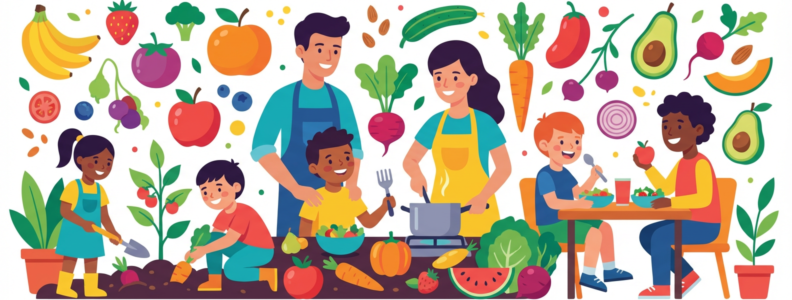
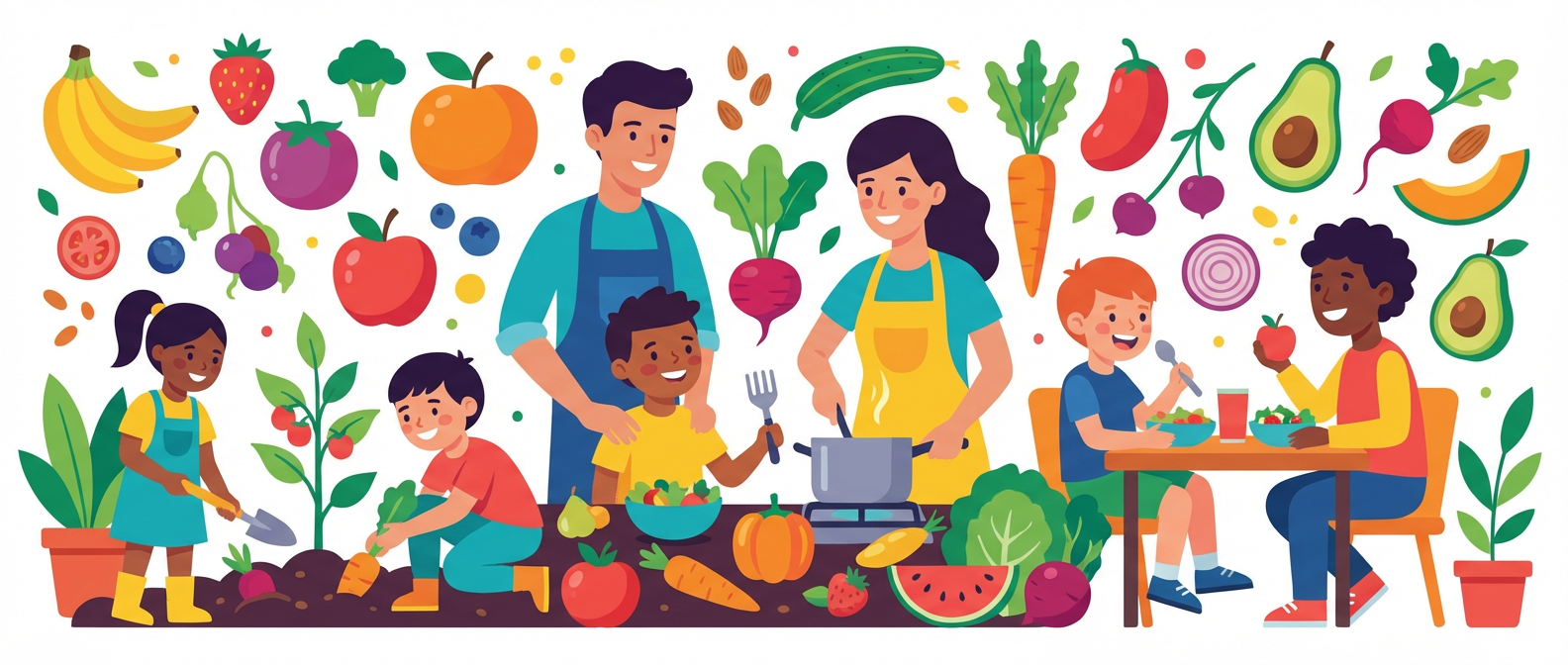
Children who help prepare food almost always eat it willingly, and there’s real science behind this. When kids wash lettuce, stir soup, or knead bread dough, they develop ownership over the meal. They’ve invested effort in creating something, which makes them naturally curious about tasting their work. This isn’t about elaborate cooking projects. It’s about including them in the everyday rhythm of meal preparation.
Start small and practical. Let them tear herbs for pasta sauce while you cook onions. Have them arrange vegetables on a roasting pan while you prep the protein. These simple tasks give children agency in the kitchen without turning cooking into a circus act designed to entertain them. They learn that food preparation is a normal part of daily life, not a special occasion.
The transformation I’ve seen in kids who cook regularly is remarkable. They start noticing flavors, asking questions about ingredients, and developing opinions about seasoning. Last month, my friend’s seven-year-old insisted we add more cumin to our chickpea stew because he could taste that it needed “more warmth.” This is what happens when children become participants in food culture instead of passive consumers of it.
Most importantly, cooking together removes the mystery from real food. Children learn that vegetables aren’t punishment. They’re ingredients that become delicious when treated with care and attention. They discover that the smell of garlic hitting hot oil is pure magic, that fresh herbs can transform anything, and that the best meals come from simple ingredients prepared with love.
Trust the Process and Your Child
The hardest part of teaching children to love real food is learning to trust that they will eventually get there. It might take fifteen exposures to a new vegetable before they’ll try it, and fifteen more before they’ll ask for it. This feels impossibly long when you’re in the thick of dinnertime battles, but it’s completely normal. Children are naturally cautious about new foods — it’s an evolutionary survival mechanism that kept our ancestors from poisoning themselves.
What matters is consistent, pressure-free exposure. Keep putting those Brussels sprouts on the table alongside foods you know they’ll eat. Don’t comment on what they choose or don’t choose. Don’t praise them for eating vegetables or scold them for refusing. Just keep offering real food as if it’s the most natural thing in the world, because it is. Your calm confidence in the food you’re putting on the table will eventually become their calm confidence too.
Remember that you’re not just feeding their bodies. You’re shaping their relationship with nourishment for life. The child who learns that real food is normal, pleasurable, and worthy of attention will carry that knowledge into adulthood. They’ll be the college student who seeks out the farmers market, the young parent who instinctively knows how to feed their own family well.
What food battles are you ready to let go of in your own kitchen? I’d love to hear about your family’s journey toward real food, especially the messy, imperfect parts that don’t make it into the highlight reel.