
Thereâs a quiet magic that settles over the table when a meal stretches from noon into the late afternoon. In France, the long Sunday lunchâle grand déjeunerâisnât a special occasion. Itâs a practice, a rhythm that many families still keep, a way of being together that feeds you as much as the food does. I want to show you how to bring this into your own kitchen, not as a performance, but as a gentle, deeply satisfying ritual. You donât need fancy skills. You just need a willingness to let the hours slow down.
What Makes a French Lunch âLongâ?
A long French lunch isnât about complexity. Itâs about structure and presence. The meal unfolds over several courses, each one simple on its own, but together they create a feeling of abundance and care. You might begin with an apéritifâa light, slightly bitter drink to wake the appetiteâand a few little things to nibble: olives, radishes with butter, a slice of saucisson. Then a starter, perhaps a vegetable dish served at room temperature. The main course follows, often a braise or a roast thatâs been cooking quietly while you were at the market or setting the table. A small salad, a cheese course, and finally something sweet. The point isnât the number of plates. Itâs the unhurried space between them.
Building Your Pantry for Effortless Meals
If you want to host a long lunch without spending the whole morning in the kitchen, your pantry is your best friend. I keep a handful of staples that can turn into something lovely with very little work. Good olive oil, flaky sea salt, and a few vinegarsâred wine, white wine, maybe a sweet aged balsamicâare the foundation. Canned sardines or tuna in olive oil, jars of artichoke hearts, and roasted red peppers can become a first course in minutes. Dried lentils, white beans, and a bag of Camargue red rice sit on my shelves, ready to be simmered into a salad or a side. And always, a box of butter cookies or a bar of dark chocolate for the simplest dessert.
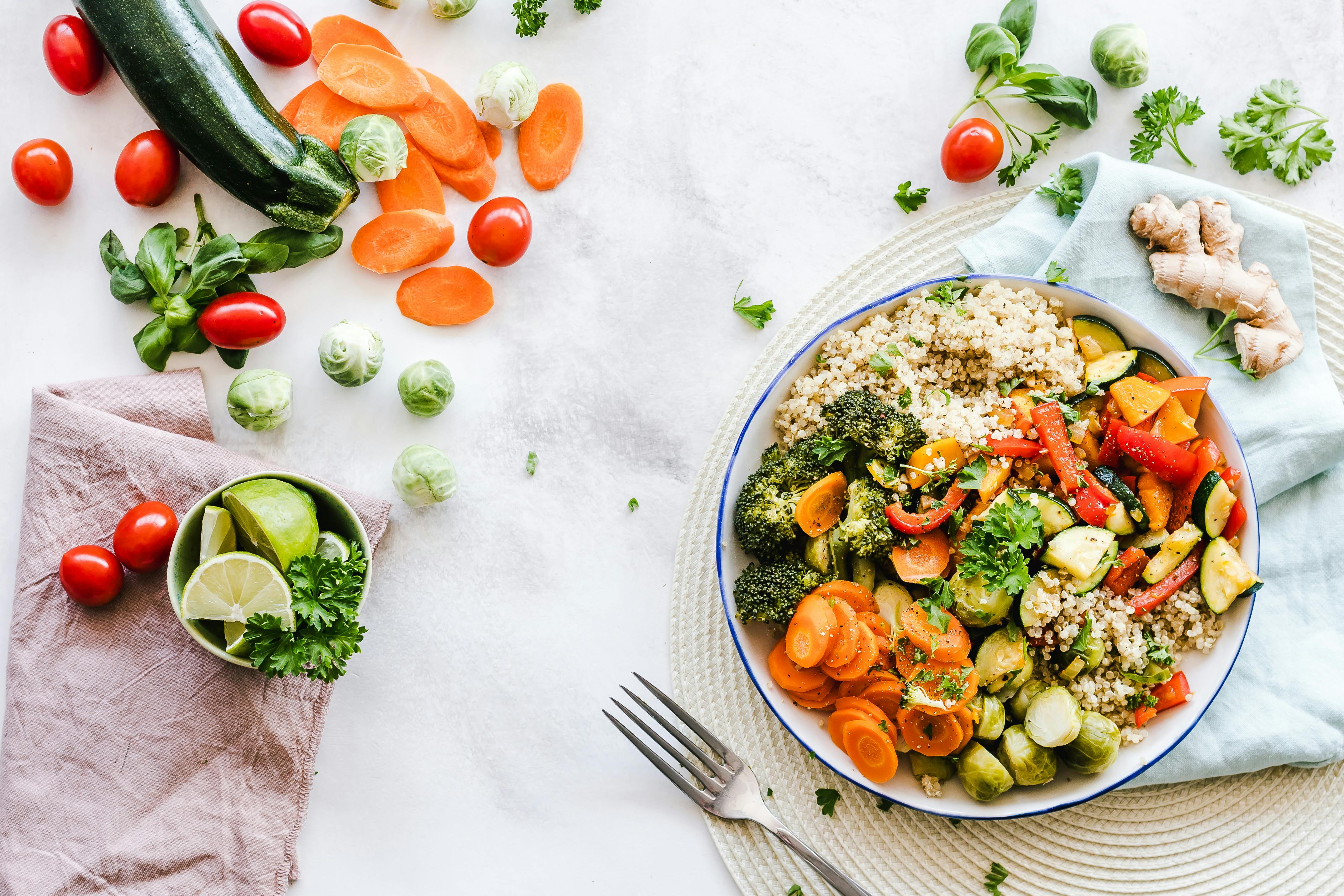
Think of your pantry as a collection of small pleasures. A jar of cornichons, a pot of Dijon mustard, a tin of anchovies. These are the things that turn a plain roast chicken into a meal that feels considered. When you shop at the market, buy with the long lunch in mind: a head of cauliflower can be roasted ahead and served at room temperature with a sharp vinaigrette. A bunch of carrots can be braised whole and finished with parsley and garlic. The work happens in the morning, or even the night before, so that when guests arrive, you are calm.
The Rhythm of the Meal: A Practical Template
I like to think of the long lunch as having four gentle movements. You can adapt this to your own taste, your own season, your own market. The key is to keep each course light enough that you still want the next one.
1. The Apéritif: A Moment to Arrive
This isnât a cocktail hour in the American sense. Itâs a quiet settling in. Offer a small glass of somethingâa Lillet Blanc over ice with a slice of orange, a dry rosé, or even a sparkling water with a dash of elderflower cordial. Set out a few small bowls: salted almonds, a dish of radishes with soft butter and sea salt, some slices of saucisson. The idea is to awaken the palate, not fill the stomach. Let this last twenty minutes or so, long enough for everyone to relax into the afternoon.
2. The Starter: Something Light and Seasonal
In summer, this might be a slice of melon with a thin curl of Bayonne ham. In autumn, a bowl of pumpkin soup with a drizzle of cream. In winter, a warm leek and potato salad with a mustardy vinaigrette. The starter should feel effortless, something you can plate in the kitchen while guests are still chatting over their apéritif. I often make a simple tarte fineâpuff pastry from the shop, topped with thinly sliced tomatoes or zucchini, a scatter of herbs, and a quick bake. Served in thin wedges, it feels elegant but is really just a rustic tart.
3. The Main Course: A One-Pot Wonder
For the long lunch, the main course should be something that can wait for you. A braise is perfect: poulet au vin blanc, a chicken slowly cooked in white wine with mushrooms and crème fraîche; or a daube de boeuf, beef simmered with red wine, orange peel, and olives until it falls apart. These dishes improve with a gentle rest, so you can pull them from the oven, set them on the table, and let everyone help themselves. Serve with a simple grainâbuttered farro, perhaps, or a mound of steamed potatoesâand a green salad dressed sharply with vinegar and shallots. The salad is not an afterthought; it is a palate cleanser, a bright note before cheese.
4. The Cheese Course: A Pause, Not a Project
In France, cheese comes before dessert, and it is a moment to breathe. You do not need a towering board with fifteen varieties. Choose three: a hard cheese like Comté, a soft one like a ripe Camembert, and something blue or a fresh goat cheese. Let them come to room temperature. Serve with good breadâmaybe a walnut loaf or a crusty baguetteâand nothing else. The cheese course is a conversation course. It is where you linger, where the wine bottle gets finished, where someone tells a story they forgot earlier.
5. Dessert: Something Simple and Sweet
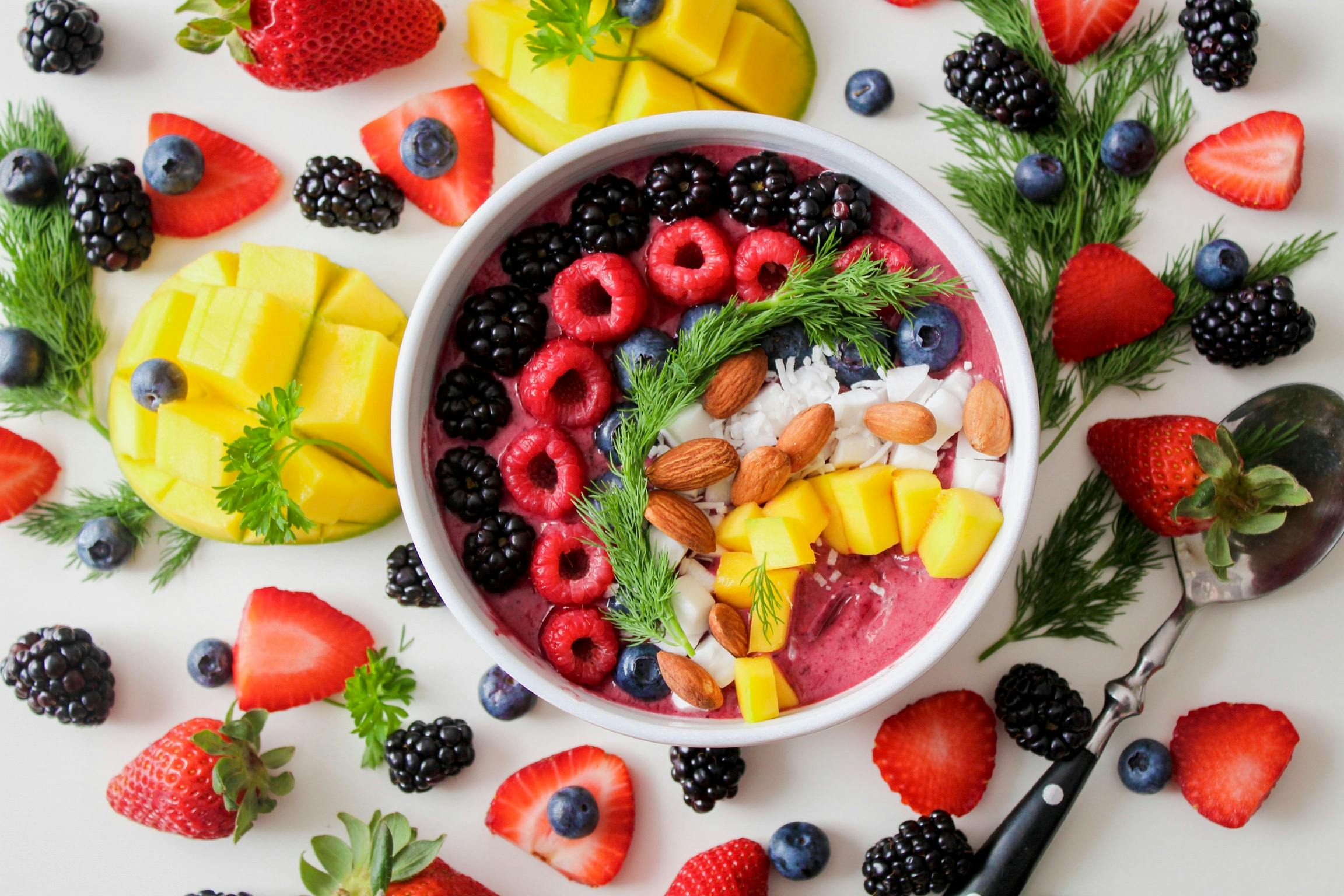
After all that, dessert should be almost a whisper. A bowl of strawberries with a pitcher of crème fraîche. A square of dark chocolate. A slice of gâteau au yaourtâthe first cake many French children learn to bake, made with a yogurt pot as the measure. If you have the energy, a clafoutis with cherries or apricots can be assembled in ten minutes and baked while you eat the main course. The goal is not to impress, but to offer a gentle, sweet finish that leaves everyone feeling cared for, not stuffed.
Setting the Table: The Beauty of the Everyday
You do not need heirloom china or starched linens. Some of my most memorable lunches have been on a wooden table covered with a simple cotton cloth, mismatched plates, and glasses that were definitely not designed for wine. What matters is that the table feels intentional. A small bunch of flowers from the gardenâor even a few sprigs of rosemary in a jam jarâsignals that this is a moment worth marking. Cloth napkins, even if they are faded, feel more generous than paper. And please, do not worry about having the ârightâ glass for each wine. One good all-purpose glass is enough. The French have a word, convivialité, which means something like warmth and togetherness. That is what you are setting the table for.
Wine Without Pretense
Wine is part of the long lunch, but it is not the star. I usually serve one white or rosé with the starter and main, and then a lighter red with the cheese. You do not need to know vintages or appellations. Go to a small wine shop, tell them what you are cooking, and ask for something âfacile à boireââeasy to drink. A crisp Muscadet, a fruity Beaujolais, a dry rosé from Provence. Pour modest amounts. The point is to keep the conversation flowing, not to cloud it. And always have a pitcher of water on the table, maybe with a few slices of cucumber or lemon. Hydration is part of the rhythm.
The Art of Doing Less
Here is the secret that took me years to learn: the long lunch is not about you, the cook, performing. It is about creating a space where everyone can be at ease, including yourself. This means choosing dishes you can make without stress. It means accepting help when someone offers to slice bread or open a bottle. It means sitting down and actually eating, rather than jumping up every two minutes to check something. In France, the cook sits at the table. The cook is part of the meal. If you are frazzled and apologizing, the spell breaks. So plan a menu that lets you be a guest at your own table.
Seasonal Market Inspiration
The long lunch begins at the market. I go on Saturday morning with a loose ideaâmaybe a chicken, maybe a fishâand let the stalls guide me. In spring, there are bundles of asparagus and the first strawberries. In summer, tomatoes that smell like the earth, shiny aubergines, and basil by the armful. Autumn brings mushrooms, pumpkins, and the last of the figs. Winter is for roots and cabbages, for slow-cooked things that fill the house with steam and comfort. When you cook with what is actually growing, the food tastes like itself. You do not need complicated recipes. A perfectly ripe peach, sliced and served with a spoonful of honey and some fresh cheese, is a dessert that no pastry chef can improve upon.

Common Questions About Hosting a French Lunch at Home
How many courses do I really need?
Three or four is plenty. A starter, a main with a salad, and a dessert. You can add cheese if you like, but it is not mandatory. The rhythm matters more than the number of plates. Even a two-course mealâa hearty main and a simple dessertâcan feel like a long lunch if you take your time and stay at the table.
What if I do not drink alcohol?
The long lunch is about pleasure, not wine. Serve a sparkling water with a dash of fruit syrup, a homemade lemonade, or a chilled herbal tea. The apéritif can be a glass of tomato juice with a pinch of celery salt. The ritual of raising a glass together is what counts, not what is inside it.
How do I keep the conversation going for hours?
You do not need to be an entertainer. The food itself is a conversation. Talk about the market, the recipe, a memory of a meal. Ask questions. Silence is also allowedâthere is a difference between an awkward pause and a comfortable quiet. Often, the best moments come when everyone is simply present, looking out the window, listening to the birds.
Can I do this with children at the table?
Absolutely. In France, children are part of the long lunch from a young age. They learn to sit, to taste, to participate. Give them small portions, let them help serve, and do not expect them to stay for three hours. A little basket of quiet toys or paper and crayons can help. The goal is not perfect behavior, but shared time. They will remember the feeling of these meals, even if they do not remember the food.
A Gentle Sunday Menu to Try
Here is a menu I have made many times, in different seasons, with whatever the market offered. It is forgiving, flexible, and leaves you plenty of time to sit down.
- Apéritif: Lillet Blanc with orange, green olives, and salted almonds.
- Starter: Roasted beet and carrot salad with a shallot vinaigrette, served at room temperature.
- Main: Chicken braised in white wine with leeks and mushrooms, served with steamed new potatoes.
- Salad: A simple green salad with a sharp mustard dressing.
- Cheese: A wedge of Brie, a slice of Roquefort, and some walnuts.
- Dessert: Strawberries with crème fraîche and a sprinkle of sugar.
You can prepare the beets and carrots the day before. The chicken can be assembled in the morning and left to braise gently in the oven while you set the table. The salad takes two minutes. The strawberries need only a rinse. This is a meal that asks very little of you in the moment, but gives back hours of pleasure.
Why This Practice Matters Now
We live in a time that pulls us toward speed, toward eating alone, toward seeing food as fuel. The long lunch is a quiet resistance. It is a way of saying that time spent at the table is not wasted. It is a practice of attentionâto the seasons, to the people we love, to our own need for rest. In France, the long Sunday lunch is not a relic; it is a living tradition, adapted to modern life but still rooted in the belief that food is culture, and culture is something we make together, every day. You do not need a farmhouse in Provence or a grandmother who taught you to truss a chicken. You just need a table, some good ingredients, and the willingness to sit still for a while.
When you bring this into your own home, you are not imitating something foreign. You are participating in a practice that belongs to anyone who values the slow, the seasonal, the shared. And the more you do it, the more natural it becomes. Soon, you will find yourself keeping a jar of duck fat in the fridge, knowing exactly when the first asparagus will appear at the market, and setting an extra place without a second thought. This is how a practice becomes a tradition.
Next Steps: Building Your French Pantry
If you are inspired to make the long lunch a regular part of your life, the next step is to stock your kitchen with the essentials. I will be writing soon about the core French pantryâthe oils, vinegars, condiments, and preserved goods that make everyday cooking feel effortless and deeply satisfying. With a well-built pantry, you can walk into your kitchen on a Sunday morning, see what is fresh, and know that a beautiful meal is already half-made.