
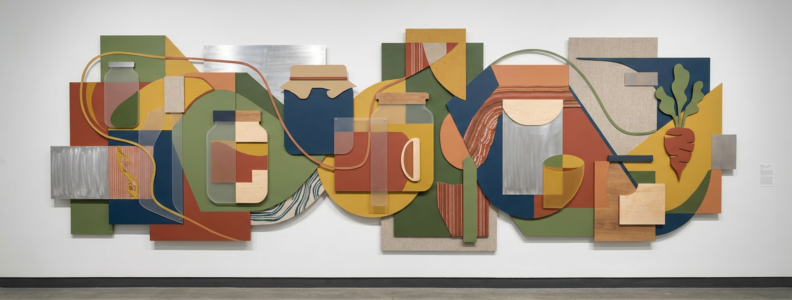
When Preservation Meets Poetry
There’s something almost mystical about opening a jar of pickles that your grandmother made six months ago, the vegetables still crisp and bright, bursting with flavors that seem impossible to achieve through any modern shortcut. But here’s what I find fascinating: what feels like kitchen wizardry is actually pure chemistry, refined over thousands of years into techniques so elegant they make molecular gastronomy look clumsy by comparison.

I remember the first time I truly understood this connection between science and tradition. I was standing in my friend Marta’s kitchen, watching her layer cabbage and salt with the same reverence I’d seen my own grandmother fold prayer shawls. “The salt doesn’t just preserve,” she explained, her hands working in practiced rhythm, “it creates an entire ecosystem in this jar.” That moment changed everything for me. Every traditional preservation method tells a story of humans learning to work with nature’s most basic processes, turning potential spoilage into something amazing.
The techniques our ancestors developed weren’t accidents or rough guesses. They were sophisticated manipulations of pH levels, osmotic pressure, and beneficial bacterial cultures, perfected through generations of trial, error, and careful observation. When we understand the science behind these methods, we don’t diminish their magic. We amplify it.

The Salt Transformation: Creating Life Through Dehydration
Salt preservation operates on a principle so elegant it feels like poetry: drawing out moisture while creating an environment where beneficial microorganisms thrive and harmful ones die. When you pack vegetables in salt or submerge them in brine, you’re orchestrating a careful dance of osmosis that completely transforms the cellular structure of your ingredients.
The magic number here is salt concentration. Traditional sauerkraut makers understood intuitively that roughly 2% salt by weight would create the perfect environment for lactobacillus bacteria to flourish while stopping spoilage organisms cold. Too little salt, and you invite unwanted bacteria to the party. Too much, and even the good cultures struggle to establish themselves. This precise balance, discovered through countless generations of fermentation, creates that characteristic tangy bite and extends shelf life for months without refrigeration.
But here’s where the science gets truly mind-blowing: the salt doesn’t just preserve the vegetables, it actually improves their nutritional value. The fermentation process that salt enables breaks down complex sugars, making nutrients more available to your body while creating entirely new compounds like vitamin K2 and beneficial enzymes that weren’t present in the fresh vegetables. Your ancestors weren’t just preventing spoilage. They were upgrading their food at the molecular level.
Traditional dry-salting methods like those used for preserved lemons work through pure osmotic pressure, drawing out moisture so completely that spoilage bacteria simply cannot survive. Yet the process stays gentle enough to preserve the essential oils in the lemon peel, concentrating flavors rather than destroying them. The result is an ingredient that delivers more citrus punch than any fresh lemon ever could, shelf-stable for years while developing complex, almost wine-like depth.
Acid as Architect: The Vinegar Revelation
Vinegar pickling represents humanity’s mastery of pH manipulation, creating an environment so acidic that harmful bacteria cannot establish themselves, while flavors intensify and develop in ways that seem almost magical. The key threshold is pH 4.6 or lower, the point at which botulism spores become inactive and most spoilage organisms surrender the battlefield to your carefully crafted preservation solution.
Traditional pickle makers developed ratios by taste and observation, but the science reveals why their instinctive formulations worked so brilliantly. A 1:1 ratio of water to vinegar with 5% acidity creates that magical pH sweet spot while providing enough liquid to fully submerge vegetables. The addition of salt and sugar isn’t just about flavor; it enhances the osmotic effect and feeds beneficial fermentation processes that can develop even in this acidic environment.
What fascinates me most about acid preservation is how it preserves texture while completely transforming flavor. The acidic environment actually strengthens cell walls in certain vegetables, which explains why properly pickled cucumbers maintain their characteristic snap for months while developing that complex, mouth-puckering intensity that makes them so addictive. The acid breaks down chlorophyll gradually, creating those beautiful olive-green hues that signal perfectly aged pickles.
Fermentation’s Living Laboratory
Perhaps no preservation technique captures the marriage of science and tradition more beautifully than lacto-fermentation, where vegetables basically pickle themselves through the action of naturally occurring beneficial bacteria. This process requires no external acidifying agents, instead relying on lactobacillus cultures to convert natural sugars into lactic acid, creating an increasingly acidic environment that preserves while it transforms.
The traditional approach involves submerging vegetables in a salt brine strong enough to stop harmful bacteria while allowing lactobacillus to thrive. These beneficial organisms are naturally present on most vegetables, waiting for the right conditions to begin their transformative work. The salt concentration, typically around 3-5% by weight, creates selective pressure that favors the microorganisms you want while discouraging those you don’t.
Temperature control in traditional fermentation reveals another layer of ancestral wisdom. Cool cellars and root storage areas maintained temperatures between 65-75°F, the optimal range for steady lactobacillus activity without encouraging rapid fermentation that can create mushy textures or off-flavors. Our ancestors understood that patience in fermentation yields complexity, allowing slow bacterial action to develop the layered, complex flavors that make traditional fermented foods so compelling.
The oxygen-free environment created by proper weighting and covering techniques ensures that fermentation proceeds along beneficial pathways. Contact with air introduces competing yeasts and molds that can overwhelm the delicate bacterial cultures, which explains the elaborate systems of weights, covers, and sealing methods traditional fermentation employed. Every detail supported the science, even when the makers couldn’t articulate the underlying principles.
Timing and Temperature: The Invisible Variables
Traditional preservation techniques succeeded because our ancestors became masters of environmental control, understanding intuitively how time and temperature affected their results. They developed methods that worked with natural seasonal rhythms, timing fermentation projects to coincide with cooler weather that would allow slow, steady bacterial development without the risk of rapid spoilage.
The concept of controlled fermentation environments emerges beautifully in traditional root cellars and fermentation vessels. These spaces maintained steady temperatures and humidity levels that modern science now recognizes as optimal for specific preservation processes. The thick walls and earth insulation of traditional cellars created natural temperature buffers, while clay vessels provided just enough porosity to allow beneficial gas exchange without compromising oxygen-free conditions.
Understanding these traditional timing principles can revolutionize your own preservation efforts. Starting sauerkraut in early fall allows the slow, cool fermentation that produces the best texture and flavor development. Summer’s heat might speed the process, but it often creates mushy results and harsh flavors that never develop the complex depth of properly timed fermentation. Your great-grandmother didn’t have thermometers, but she knew exactly when conditions were right for each project.
These old techniques offer us something far more valuable than recipes. They provide blueprints for working with natural processes rather than against them, creating preserved foods that nourish and delight in ways that industrial alternatives simply cannot match. The next time you find yourself with excess garden vegetables or seasonal abundance, consider reaching for salt and time instead of the freezer. Your ancestors’ chemistry lessons are waiting to transform your kitchen into something magical.