

The Correction We Needed
Remember when every grocery store seemed to suddenly stock seventeen brands of plant-based meat alternatives? When venture capital was flowing like water and everyone was convinced that perfectly engineered burger patties would revolutionize how we eat? I do. I watched it happen with genuine curiosity, bought a few products to test them in my kitchen, and honestly, most of them sat in my fridge while I reached for something else.

Here’s what’s interesting now: the brands that promised to change everything are experiencing real revenue declines. Beyond Meat, Impossible Foods, and similar companies that captured our collective imagination a few years ago are no longer growing at the rates that made headlines. But before you assume this means plant-based eating is fading away, let me tell you what’s actually happening. The movement isn’t declining. It’s maturing. It’s becoming something quieter, more sustainable, and honestly, much more delicious.
The Difference Between Trend and Transformation
The ultra-processed meat alternatives are plateauing, but something far more interesting is growing underneath. Whole food plant-based cooking is becoming the dominant force. Tempeh, legumes, properly prepared jackfruit, and simple ingredients that humans have eaten for centuries are replacing those engineered products on restaurant menus and home dinner tables. The restaurants I visit aren’t featuring clever plant-based bacon anymore. They’re featuring chef-driven dishes built around beans, grains, and vegetables that taste like someone actually thought about flavor.
I’ve spent the last few years testing both approaches side by side. A box of ultra-processed plant-based nuggets costs roughly seven to nine dollars and tastes like you’re eating packaging. A pound of good dried beans costs less than two dollars and, when properly seasoned and combined with fresh vegetables, will feed four people something genuinely nourishing. The math is becoming clear to home cooks everywhere.
According to Good Food Institute research, this shift reflects something important: people aren’t abandoning the idea of eating less animal products. They’re abandoning the idea that it requires expensive substitutes. The largest dietary group in the United States now identifies as flexitarian, representing 36 percent of the population. These are people who don’t make a binary choice between vegetarian and omnivore. They simply eat less meat and more plants, using wisdom that our grandmothers understood intuitively.
What’s Actually Affordable and Worth Your Money
Let me be specific about value because I know food budgets matter. I’m going to give you the real costs based on what I buy at my regular grocery store, not specialty shops.
A can of chickpeas costs about sixty cents. That same can, if it were a plant-based product designed to taste like chicken, would cost four to six dollars. When I prepare those chickpeas with spices, roast them until they’re crispy, and toss them with fresh greens and a simple dressing, I’ve made something my family actually requests. When I make a lentil curry using a technique my neighbor shared from her family traditions, people at my table stop talking to concentrate on eating. The cost difference is enormous, but the satisfaction gap is even bigger.
Fine dining restaurants have figured this out already. They’re moving away from meat analogues toward what they always should have been doing: celebrating plants as themselves. A restaurant featuring roasted cauliflower with pomegranate and tahini isn’t trying to convince you it’s steak. It’s inviting you to taste what cauliflower actually is when someone who knows what they’re doing prepares it with intention.
There’s also a quiet revolution happening with precision fermentation technology. This allows food scientists to create dairy proteins without cows, competing on actual cost with conventional products. Food Navigator plant-based coverage has documented how this technology is finally making plant-based cheese and milk products that are economically competitive without sacrificing quality. This is different from the meat analogue story because the technology is actually working, and prices are dropping in a meaningful way.
Where Plant-Based Is Actually Winning
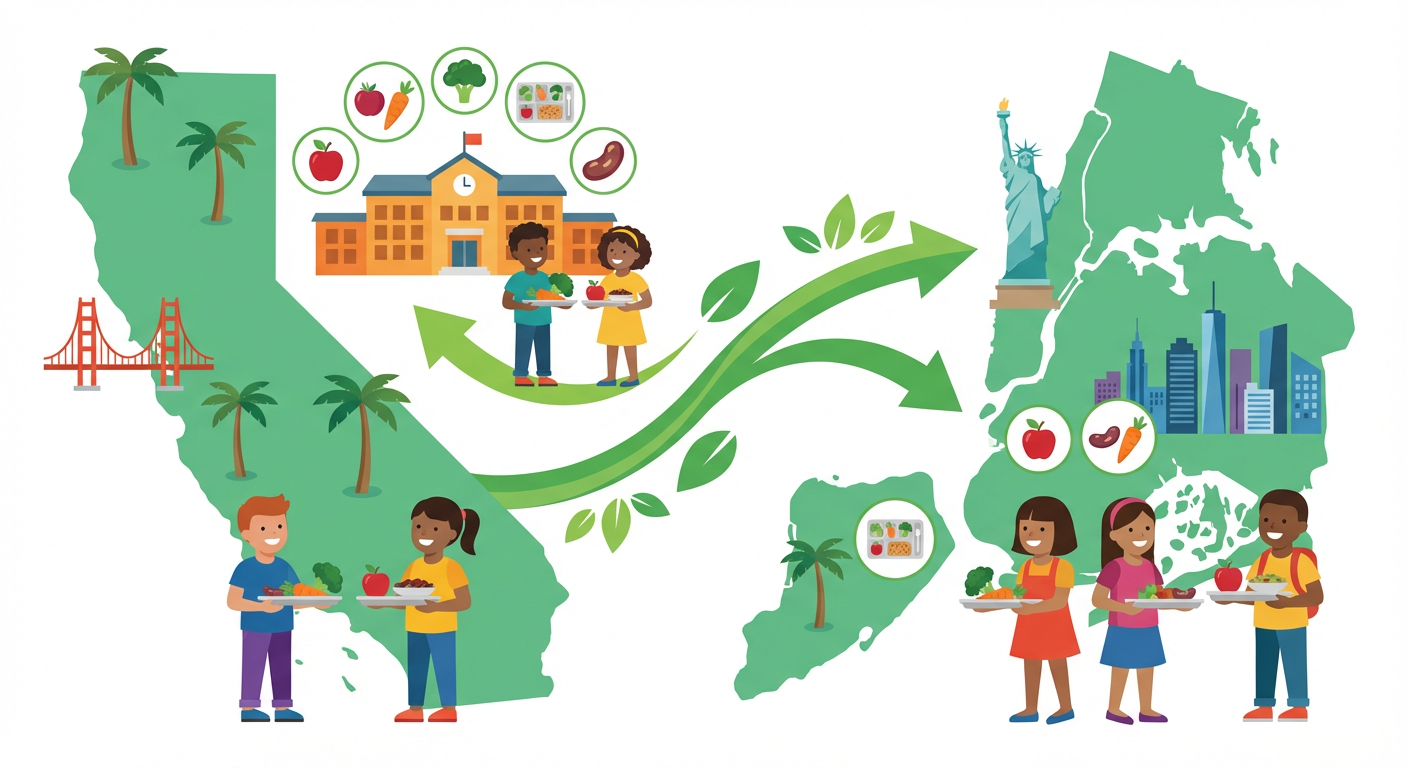
I find it encouraging that school lunch programs across California and New York are significantly expanding plant-based options. This isn’t about ideology. It’s about feeding growing children nutritious food at scale while managing costs. When institutional kitchens commit to plant-based cooking, they’re not serving endless veggie burgers. They’re building menus around beans, grains, vegetables, and basic culinary technique. Children who grow up eating this way, who understand that a lentil soup or grain bowl can be delicious, are developing eating patterns that will serve them well.
What strikes me most is how ordinary this is becoming. Plant-based eating isn’t a special category anymore. It’s just how more and more people eat, some of the time or all of the time. My neighbor who eats meat three nights a week and beans the other four isn’t making a statement. She’s making dinner. She’s noticed that her grocery bill is lower, her family feels better, and she enjoys the variety.
Building Your Own Plant-Based Kitchen
If you’re interested in exploring this for yourself, forget about the products designed to replicate something else. Start with what you actually like to eat. Do you enjoy Indian food? Cook dal. Do you love Mexican food? Make proper beans with aromatics and spices. Are you drawn to Mediterranean flavors? Build meals around legumes, olive oil, and fresh vegetables. Your kitchen will smell better, your meals will taste better, and your wallet will thank you.
The plant-based food movement has matured past the hype. It’s no longer about convincing anyone of anything. It’s just become the practical choice that more people are making because it works. The real action isn’t happening in food labs anymore. It’s happening in home kitchens and restaurant dining rooms where people are discovering that food tastes best when it’s made from real ingredients and prepared with care.
I’d love to hear what plant-based dishes have surprised you with their actual deliciousness. What’s something you thought you’d hate but ended up enjoying? Tell me in the comments, and maybe I’ll feature it in a future dinner party.