
The Weight of Winter Vegetables
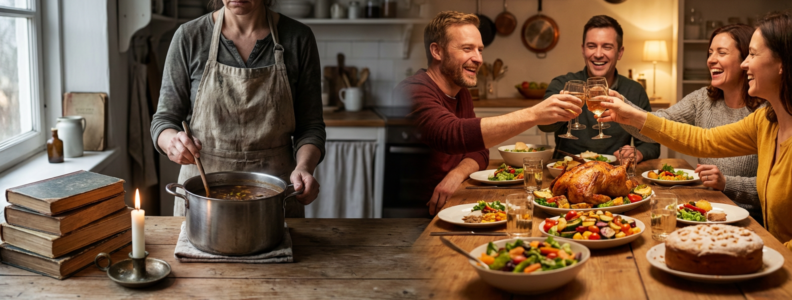
There’s something profound about standing in your kitchen on a February afternoon, holding a rutabaga that feels like a small planet in your hands. The weight of it anchors you to the earth when everything else feels unmoored. I learned this the winter my father died, when cooking became both refuge and ritual, when the simple act of peeling root vegetables felt like prayer.
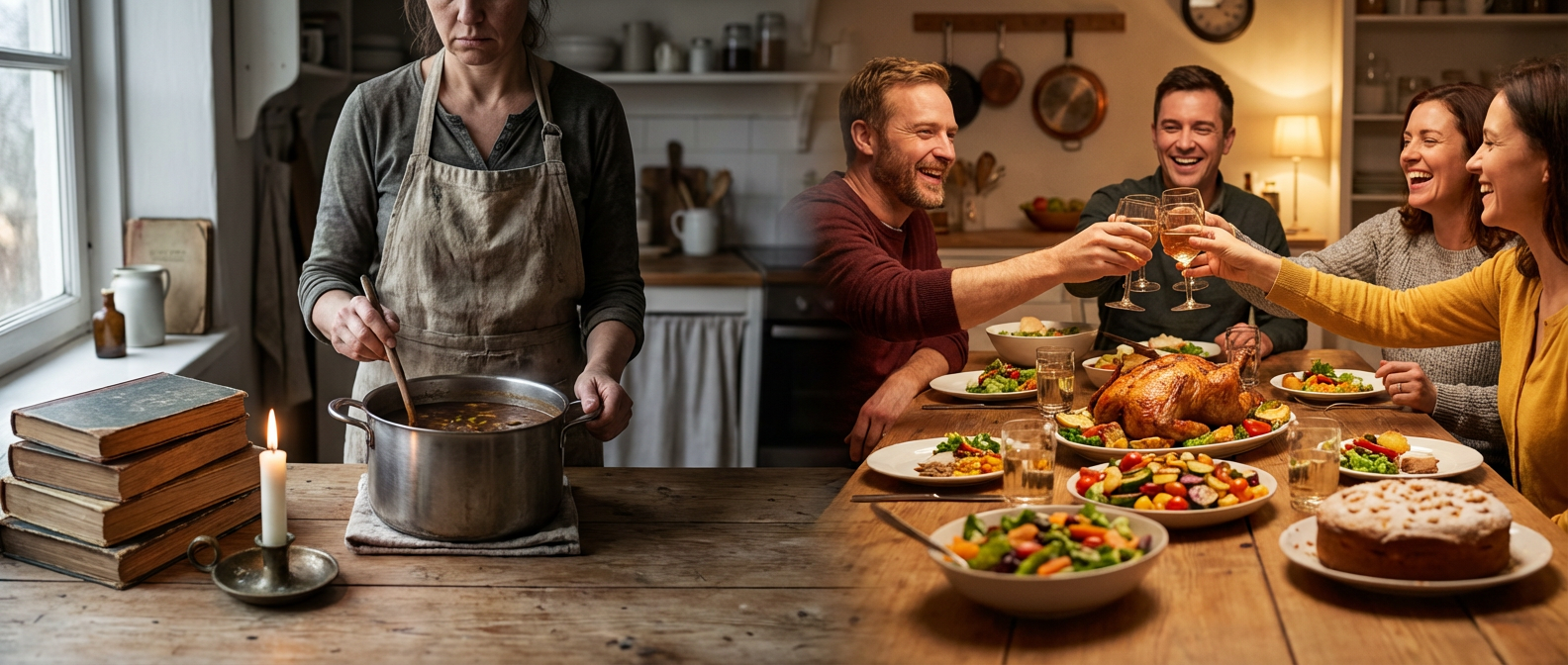
That season taught me that grief has its own hunger, different from celebration’s appetite. Where joy reaches for bright flavors and abundant spreads, sorrow seeks comfort in the basic stuff: slow-braised meats, golden broths that simmer for hours, the kind of cooking that fills your house with the scent of home even when home feels broken. Winter vegetables get this. Carrots grown sweet by frost, parsnips that have spent months developing their earthy depth, turnips that go from bitter to tender under patient heat.
The beauty of seasonal cooking during hard times isn’t in its complexity but in its reliability. Root vegetables don’t demand quick decisions or perfect timing. They forgive long cooking, reward slow attention, and transform under your care in ways that feel almost magical. When my hands moved automatically through the motions of making my grandmother’s pot roast, adding those same winter roots she’d layered around tough cuts of beef, I was connecting to something larger than my immediate pain. I was participating in the ancient human practice of turning the earth’s winter offerings into sustenance that heals both body and spirit.
These vegetables carry stories in their cells, tales of cold storage in root cellars, of families who understood that winter’s gifts require patience to reveal their true nature. Cooking with them teaches us that some of life’s most nourishing experiences come not from fighting difficult seasons, but from learning to work with what they offer.

Spring’s Tender Announcements
The first asparagus spears breaking through March soil carry messages of hope that no amount of positive thinking can replicate. They speak to something basic in us, a recognition that life persists, that sweetness returns, that the earth keeps its promises even when we’ve forgotten how to believe in them. This is why cooking with spring’s earliest offerings feels less like meal prep and more like participating in resurrection.
I remember the spring after losing my job, when money anxiety had me questioning every grocery store decision, how finding wild garlic growing along the creek behind my house felt like discovering buried treasure. Those tender leaves, peppery and bright, transformed simple scrambled eggs into something that tasted like possibility. Spring vegetables teach us about abundance that comes not from excess but from perfect timing, from being present enough to notice when the earth offers exactly what we need.
Tender peas still in their pods, baby lettuce leaves that need the gentlest washing, new potatoes with skins so delicate they rub away under your thumb. These ingredients don’t require fancy techniques or complex seasonings. They ask for restraint, for cooking methods that honor rather than overwhelm their delicate flavors. A simple sauté with butter and herbs, a quick blanch that preserves their bright color, preparations that let their essential spring-ness shine through.
This is the season of gentle celebrations, of small victories acknowledged with meals that taste like new beginnings. The dinner party I threw after finishing my master’s degree was nothing but spring vegetables: asparagus grilled with lemon, radishes with good butter and sea salt, strawberry shortcake made with berries that still carried the coolness of morning air. We ate with our hands, laughed with our mouths full, celebrated not just my accomplishment but the season’s reminder that growth happens gradually, then all at once.
Summer’s Overwhelming Generosity
August tomatoes don’t just ripen, they explode into existence with an intensity that can overwhelm even experienced cooks. This is abundance as spiritual practice, the earth teaching us about receiving gifts too large for our immediate capacity. Standing in a garden heavy with cherry tomatoes, basil plants threatening to flower, zucchini appearing overnight like magic tricks, you learn that celebration sometimes means surrendering to plenty.
The summer my daughter graduated high school, our kitchen counter disappeared under waves of produce from the farmers market and our own overeager garden. Corn on the cob for dinner three nights running, tomato sandwiches for lunch, basil finding its way into everything from ice cream to cocktails. This is celebration as endurance sport, the joyful exhaustion of processing abundance before it passes.
Summer cooking teaches timing in ways that winter never can. Peach season lasts three weeks if you’re lucky. Sweet corn is perfect for maybe four days after picking. Berry season comes and goes with ruthless efficiency. You learn to work fast, to invite friends over not because your house is ready but because the fruit is ready, to prioritize ripeness over perfection in ways that spill over into how you approach life itself.
These are the meals that happen on porches, at picnic tables, with juice dripping down your arms and seeds caught in your teeth. The kind of eating that requires napkins and forgiveness, that celebrates summer’s reminder that the best experiences often come with a little mess attached. When grief tries to convince us that joy is frivolous, summer vegetables argue back with sweetness so intense it demands attention, flavor so bright it cuts through numbness like sunlight through fog.
Autumn’s Preparing Wisdom
October apples carry the season’s essential wisdom: that the sweetest experiences often come wrapped in preparation for difficulty. Making applesauce in big batches, storing winter squash in cool dark places, preserving the season’s bounty against leaner months ahead. This is cooking as forward planning, as love letter to your future self who will need comfort when the world turns cold and gray.
The autumn I got divorced, I spent weekends at u-pick orchards, filling bags with apples I’d turn into pies for the freezer, sauce for winter mornings, dried rings that would taste like concentrated sunshine in February. Friends thought I was avoiding dealing with my emotions, but really I was practicing the ancient art of taking care, of trusting that I could feed myself through whatever was coming.
Fall vegetables understand transformation in ways spring’s tender shoots cannot imagine. Pumpkins that start green and hard, developing their orange sweetness over months of patient ripening. Brussels sprouts that need frost to reach their full potential, their bitterness mellowing into nutty complexity after cold nights. Cooking with autumn’s harvest teaches us that some of life’s best flavors come only after enduring difficult conditions.
These are the ingredients that bridge seasons, that help us transition from summer’s immediate gratification to winter’s deeper satisfactions. Roasted root vegetables that caramelize at the edges, soups that build flavor through long simmering, preserves that capture peak moments in jars we’ll open months later when fresh abundance feels like a distant memory.
If you’ve been cooking your way through a difficult season, or celebrating with ingredients that match your joy, I’d love to hear about it. What vegetables have been showing up in your kitchen lately, and what stories are they helping you tell? Share a photo of your latest seasonal creation, or just tell me about the produce that’s been speaking to you. Sometimes the most nourishing conversations happen when we start by talking about food and end up talking about everything else that matters.


