
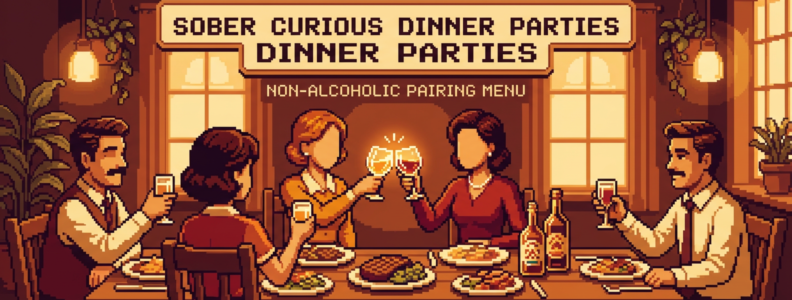
The Dinner Party Has Changed, and It’s Better
There was a time, not so long ago, when hosting a dinner party meant planning around wine. You chose your menu, and then you found a wine to match it. The assumption was almost mathematical: protein plus tannins, seafood plus acidity, dessert plus sweetness. But something shifted. Maybe it started quietly, with a friend mentioning they were taking a break from alcohol. Maybe you noticed it in the restaurant scene, where ambitious chefs began treating non-alcoholic pairings like an actual menu section instead of an obligatory afterthought. Now, in 2026, hosting a thoughtful dinner party increasingly means rethinking what pairing really means.
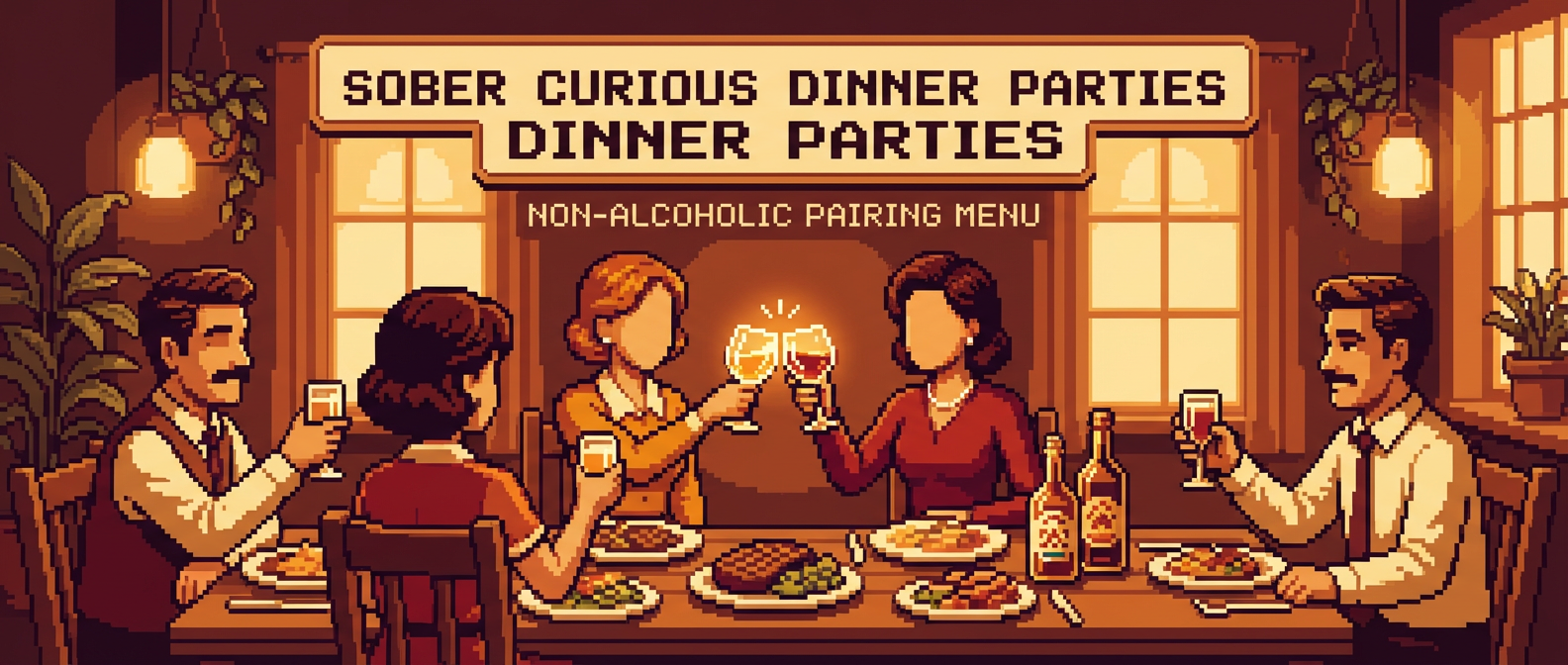
The numbers tell the story. Nearly half of Americans aged 25 to 34 now identify as sober curious, up from just over a quarter of that population in 2022. This isn’t a niche anymore. This is the mainstream of how your friends think about food and celebration. The non-alcoholic beverage market has exploded to 11.5 billion dollars globally and keeps growing at a rate that makes clear this isn’t going away. What this means for you, as someone who cares about feeding people well, is that the old playbook is incomplete. A proper dinner party now demands a pairing menu that feels intentional, considered, and genuinely delicious.
Understanding the Framework: How to Think About Non-Alcoholic Pairings
Here’s where most home cooks get stuck. You know wine pairings because you’ve learned them. Someone taught you that pinot noir goes with duck. You understand that acidity cuts through richness. But non-alcoholic pairings feel like a foreign language. The good news is that the language exists now, and it’s built on the same foundational principles that have always guided good pairing. You’re just working with a wider palette of flavors and textures, which actually gives you more creative freedom.
A sommelier and author named Celia Masyczek published the first comprehensive guide to non-alcoholic food pairing in late 2025, and she adapted the traditional wine framework in a way that opens everything up. She’s working with acid, tannin, and bitterness, just like you would with wine, but sourcing these qualities from entirely new categories. A high-acid kombucha can do exactly what a crisp white wine does. A botanical tea with structured tannins can mirror what you’d expect from a Bordeaux. The point is this: you’re not trying to replicate wine. You’re trying to create balance on the plate and in the glass.
Building Your Seasonal Menu: Start with What’s Real Right Now
This is where I want you to slow down and think like a cook instead of a host. What season are you cooking in right now? What arrived at the market this week that made you stop? That ingredient is your entry point. Let’s say it’s late winter and you found beautiful citrus still coming through, the tail end of the season. You find good pomegranate molasses, some of that last kale. You’re thinking about building a menu around brightness and some structure. That’s your world right now.
Once you know your ingredients, you know your pairings. If you’re working with brightness and acidity, you need non-alcoholic options that echo that quality. A sparkling apple cider with real complexity works. A high-quality ginger cordial cut with sparkling water makes sense. A floral tea that’s been properly brewed and served cold gives you something to lean into. The Seedlip Food Pairing Guide is helpful here because they’ve thought through how botanical spirits and their non-alcoholic equivalents work with different flavor profiles. Even if you’re not using their specific products, the thinking is there for you to learn from.
Spring changes everything. Suddenly you have fresh herbs pushing through. Asparagus arrives. The entire energy of your kitchen shifts, and your pairings shift too. You want something that tastes green and alive. Cold-pressed vegetable juices work beautifully here. A properly made nettle tea, which you can actually forage if you know where to look, brings an herbal complexity that feels entirely of the season. This is the kind of pairing that teaches you something true about both the food and the drink.
The Professional Approach: Learning from How Real Restaurants Do This
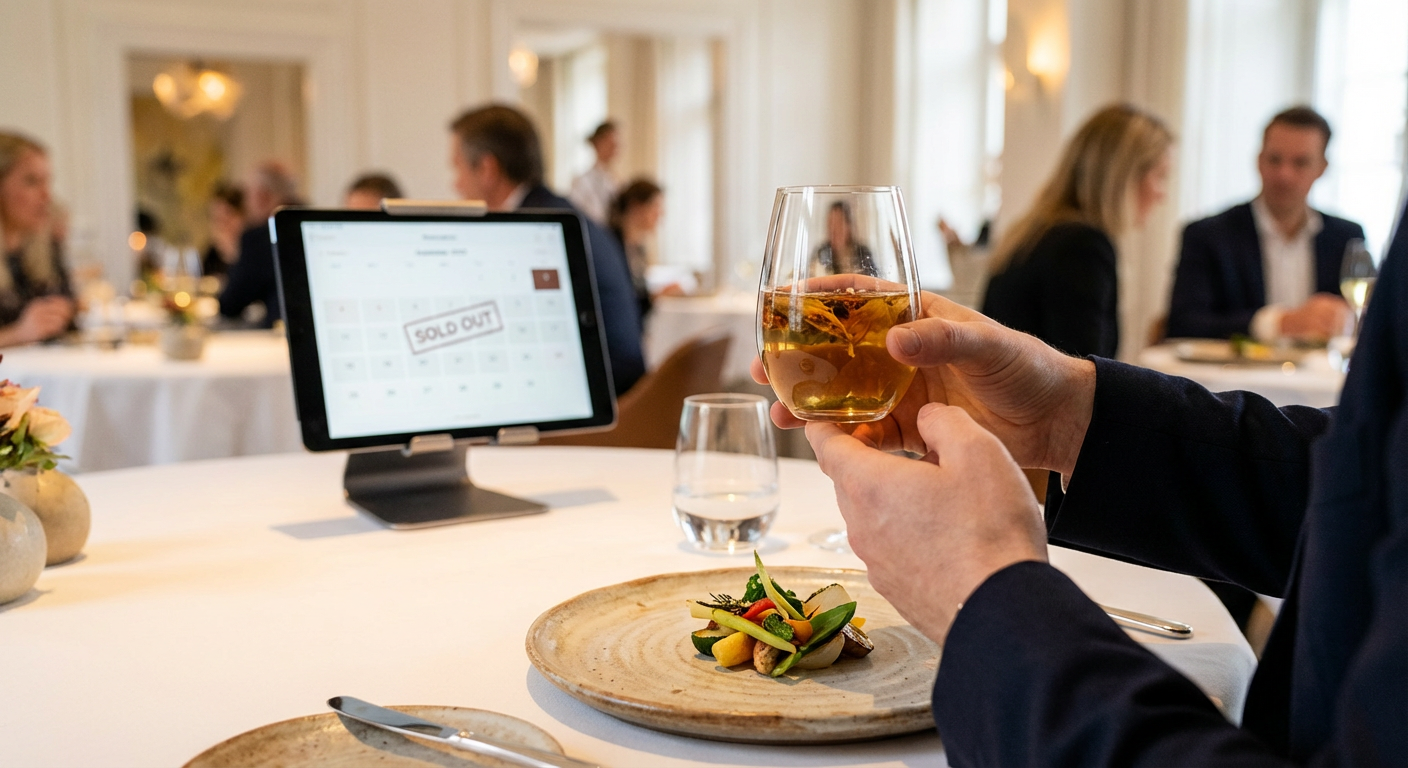
When Eleven Madison Park permanently launched a full non-alcoholic pairing menu at a 95-dollar price point in 2025, something significant happened. Their reservations for the pairing experience sold out within hours of release. This wasn’t a gesture toward inclusivity. This was a chef and a team saying they could build something as ambitious and as worthy of celebration as their traditional wine pairings. They proved it requires actual skill and intention.
What they understood, and what you should understand as you plan your own table, is that pairing without alcohol means you get to be more creative with temperature, texture, and intensity. You can serve something carbonated next to something rich and silky. You can play with spice in ways that traditional wine pairings sometimes limit you on. You’re not locked into a centuries-old set of rules. You’re building something new. This is actually more exciting than it sounds.
The market understands this shift. Diageo, one of the world’s largest spirits companies, now owns Seedlip, and they’ve invested in creating food-specific non-alcoholic expressions developed directly with Michelin-starred chefs. This happened because the demand is real and because companies realized they needed to catch up with what creative people were already doing in their own kitchens. You’re not behind the curve here. You’re part of something the entire beverage industry is still figuring out.
Practical Steps for Your Next Dinner Party
Start small. Choose one course to pair deliberately. Maybe it’s just the first course while people settle in, or maybe it’s the main. Don’t try to do all four courses with perfectly calibrated non-alcoholic options if you’ve never done this before. Pick the one moment that matters most to you and build from there. Choose that seasonal ingredient you’re excited about, then choose a non-alcoholic option that genuinely interests you. Taste it before the dinner. Know what it does. Know what story you’re telling with it.
Offer options. Not everyone wants the same thing, and that’s okay. Have something sparkling available. Have something still. Have hot tea if the season calls for it. This isn’t wavering. This is being a thoughtful host. Let people choose what feels right for them. The goal isn’t to control the experience. The goal is to create conditions where people feel honored and cared for, which is the actual point of a dinner party.
Talk about what you’re serving and why. This is the part that transforms a non-alcoholic pairing from an afterthought into something intentional. Tell people about the season. Tell them why you chose that particular pairing for that particular course. Most people are genuinely interested in the thinking behind what they’re eating and drinking. Your enthusiasm is contagious.
The range of non-alcoholic beverages has grown so much that you have real options now. The IWSR Non-Alcoholic Beverage Market Report shows just how much innovation is happening in this space. Quality exists. Good taste exists. Creative pairing exists. What I’m asking you to do is show up with intention and care, exactly the way you always have. You know how to make your guests feel welcome. You know how to build a menu around real ingredients. This is just an extension of what you already understand about hospitality.
What’s one seasonal ingredient available to you right now? What’s something non-alcoholic that genuinely excites you? Start there. Start with something small and real. I’d love to know what you discover when you begin thinking about your next table this way.