
The Weight of a Good Knife in October Hands
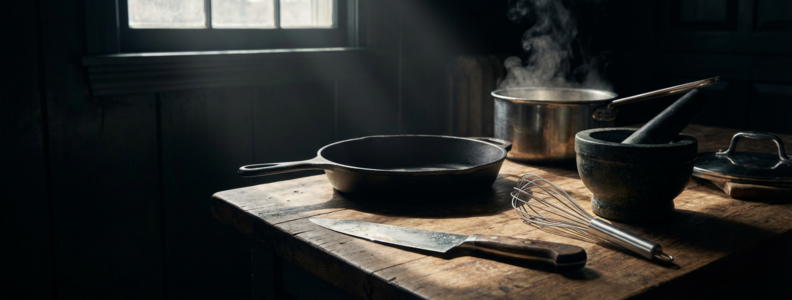
There’s something almost ceremonial about the way my grandmother’s carbon steel knife moves through a butternut squash on the first cool morning of autumn. The blade, darkened with age and countless meals, seems to understand the density of winter vegetables in a way that newer knives never quite grasp. This isn’t about romance or nostalgia. It’s about the fundamental truth that good tools become extensions of our hands, and our hands need to navigate the changing demands of each season.
A really sharp knife doesn’t just cut through summer’s tender tomatoes or spring’s delicate herbs. It respects the hard rinds of winter squash, the fibrous stems of collard greens, the dense flesh of root vegetables that have been storing their sweetness underground all season long. When you invest in a knife that holds its edge and feels balanced in your palm, you’re not buying a tool. You’re choosing a partner for every seasonal transition your kitchen will witness.
The difference becomes clear when you’re breaking down a whole chicken in December versus filleting the first spring salmon. The same blade moves with different intentions, different pressures, different respect for what lies beneath its edge. This is why the knife matters more than any gadget ever could.

Cast Iron: The Memory Keeper of Seasonal Flavors
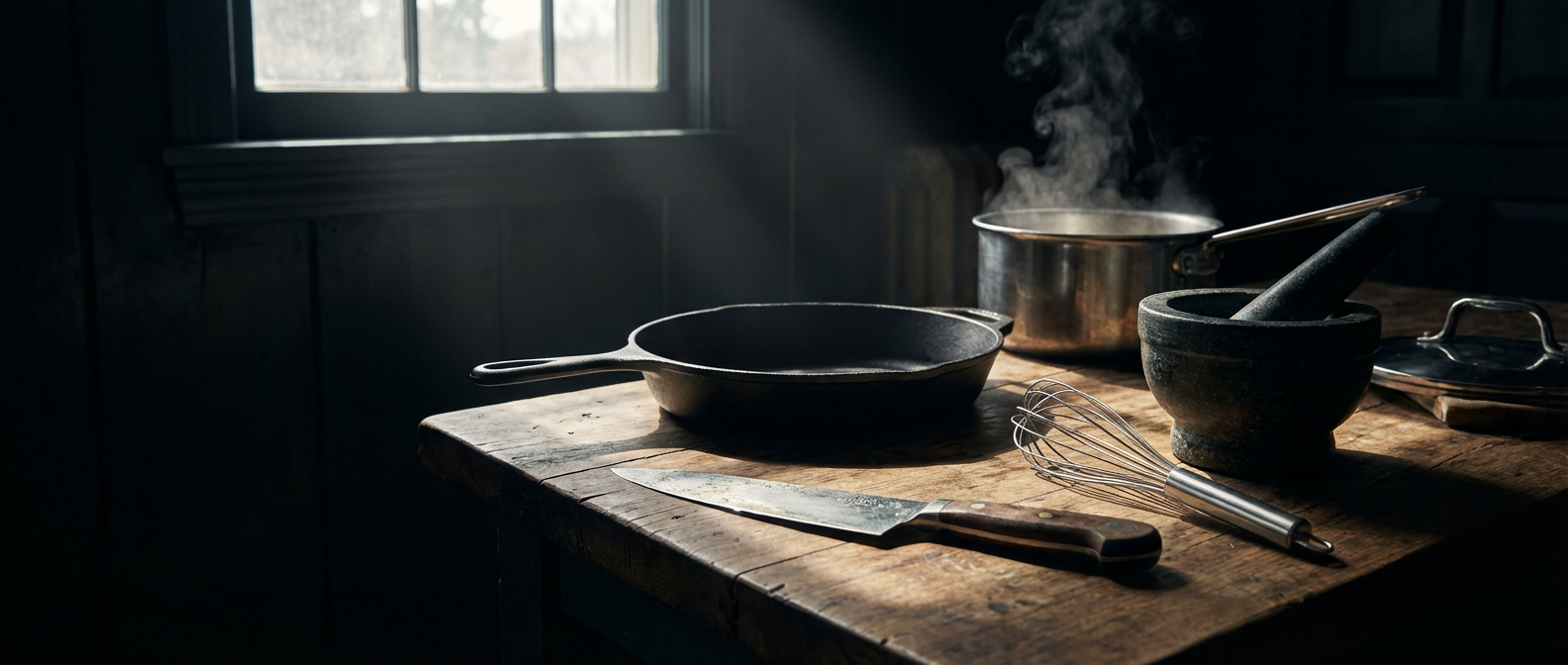
My cast iron skillet remembers every summer corn kernel that has ever hit its surface, every fall apple that has caramelized in its depths, every winter stew that has bubbled slowly on Sunday afternoons. Cast iron doesn’t just cook food. It builds up layers of flavor that synthetic surfaces can never replicate.
In spring, when the first asparagus appears at the farmers market, that skillet transforms those tender spears with heat that’s even and patient. Come summer, it chars peppers and blisters tomatoes with the kind of high heat that brings out their essential sweetness. But it’s in autumn and winter that cast iron really shows its worth, moving effortlessly from stovetop to oven, creating the kind of deep, complex flavors that only develop when ingredients are given time and consistent heat.
The beauty of cast iron lies in how it adapts to each season. It holds heat like a promise, distributing it evenly whether you’re searing Brussels sprouts fresh from the October garden or slow-cooking a January pot roast. Unlike other materials that respond frantically to temperature changes, cast iron remains steady, dependable, grounded in the rhythm of slow cooking that mirrors the natural pace of seasonal eating.
The Mortar and Pestle: Awakening Seeds and Spices
Every spice tells a story of seasons, and a good mortar and pestle helps those stories unfold in your kitchen. When you crack coriander seeds that were harvested in late summer, their citrusy brightness speaks of long, warm days. When you grind cardamom pods that traveled halfway around the world to reach your December baking, their complex warmth carries the promise of celebration and comfort.
The granite surface of my mortar, worn smooth by years of grinding, releases essential oils in a way that electric spice grinders simply cannot match. The slow, circular motion doesn’t just break down seeds and dried herbs. It awakens them, releasing aromatic compounds that have been sleeping since harvest. This matters especially when working with seasonal spices, when you want to honor the timing of their peak flavors.
In spring, I grind fresh herbs with coarse sea salt, creating pastes that capture the bright green essence of the season. Summer brings dry rubs for grilling, where cumin and fennel seeds release their earthiness under pressure. Fall and winter call for warming spice blends, where whole cloves and star anise surrender their concentrated heat slowly, deliberately, building layers of flavor that commercial pre-ground spices could never achieve.
The rhythm of grinding spices connects you to the seasonal nature of flavor in a way that pressing a button never could. It slows you down, makes you present, reminds you that the best flavors develop with attention and intention.
Wooden Spoons: The Gentle Guardians of Seasonal Cooking
There’s a reason why wooden spoons have survived every kitchen trend and technological innovation. They understand the delicate nature of seasonal cooking in ways that metal utensils never will. When you’re stirring early summer berries into a compote, wood won’t break their tender skins. When you’re folding flour into autumn apple cake batter, wood moves through the mixture with the gentle touch that prevents tough, overworked results.
Each wooden spoon in my kitchen has its own personality, shaped by the specific tasks it has performed over the years. The wide, flat paddle remembers countless batches of seasonal preserves, its surface slightly stained with the ghosts of strawberry jams and peach butters. The slender spoon with the pointed tip navigates around the edges of pots where winter sauces might stick, its narrow profile perfect for tasting and adjusting flavors as they develop.
Wood doesn’t conduct heat, which means your hand stays comfortable even when stirring something that has been simmering for hours. This matters more than you might think when you’re making the kind of slow, seasonal dishes that require frequent tasting and adjustment. A wooden spoon won’t scratch the seasoned surface of your cast iron or damage the coating of your favorite pot. It moves through food with respect, understanding that some ingredients need a gentle touch to reveal their best qualities.
The Scale: Honoring the True Weight of Seasonal Ingredients
Baking with seasonal ingredients requires a different kind of precision than following standard recipes year-round. Summer peaches carry different amounts of moisture than their winter counterparts. Fresh herbs have different concentrations of oils than dried ones. A kitchen scale doesn’t just measure ingredients. It helps you honor the natural variations that make seasonal cooking both challenging and deeply satisfying.
When you measure flour by weight rather than volume, you account for humidity changes that affect how flour settles in its container. When you weigh fresh berries for a summer tart, you ensure that the delicate balance between fruit and pastry remains consistent, regardless of whether your strawberries are the small, intensely flavored varieties of early summer or the larger, juicier ones that appear later in the season.
The scale also encourages you to think about ingredients in terms of ratios rather than rigid measurements. This flexibility becomes essential when you’re cooking with what’s available, when the farmers market doesn’t have exactly the amount of something you planned for, when you need to adapt recipes to match the natural abundance or scarcity of seasonal ingredients.
These tools, worn smooth by countless meals and seasons, transform ordinary ingredients into extraordinary experiences. They don’t just make cooking easier. They make it more connected to the natural rhythm of the year, more respectful of the ingredients themselves, more grounded in the timeless practices that have fed families for generations. What tools have become essential partners in your own seasonal kitchen adventures?