
Following Nature’s Recipe Book
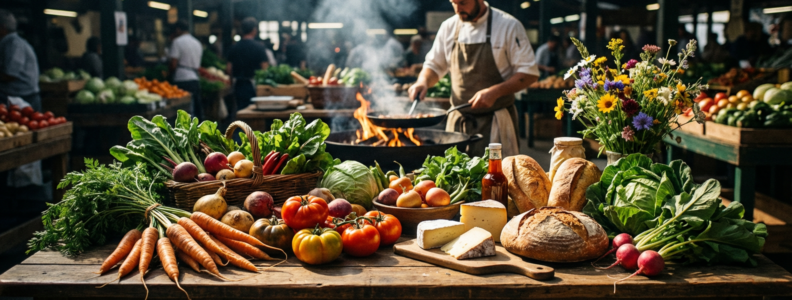
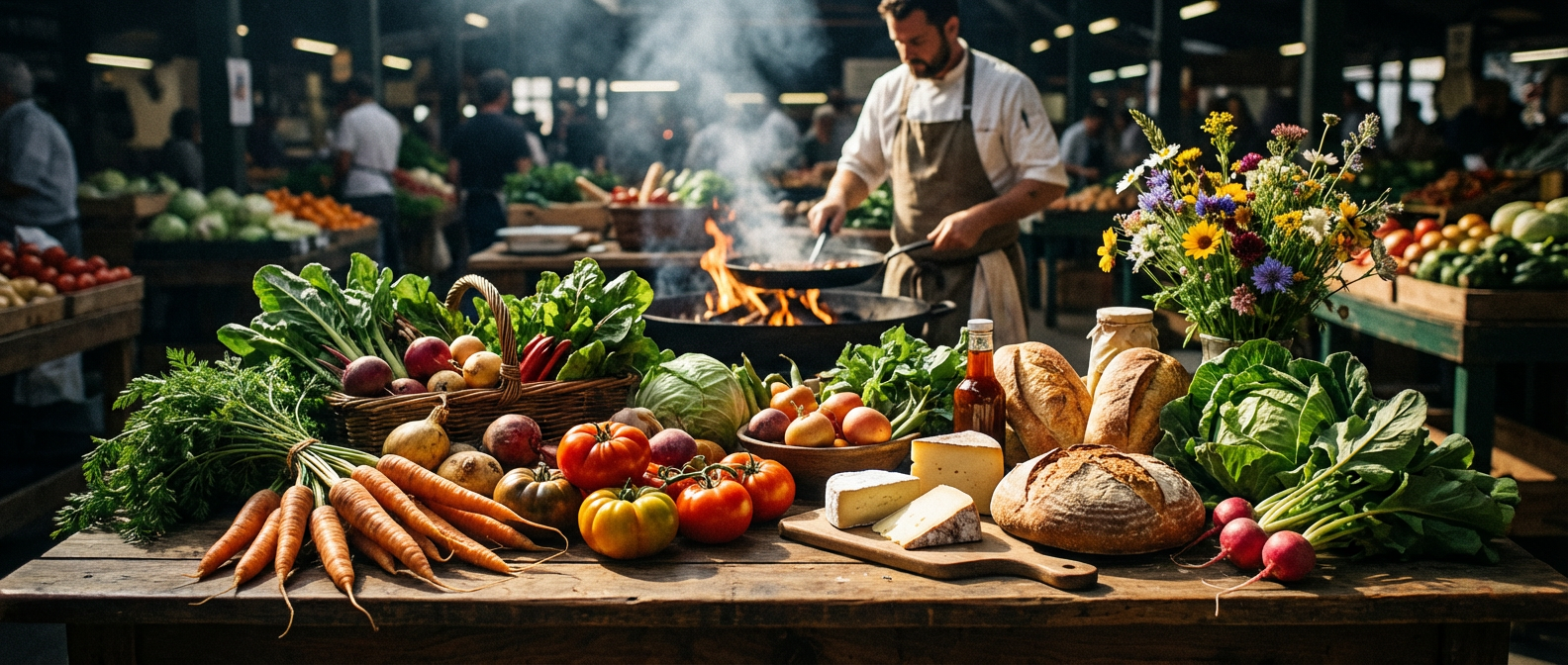
There’s something almost mystical about walking through a farmers market on a crisp October morning, watching vendors arrange their displays like artists preparing a gallery opening. The butternut squash sits heavy and golden, still wearing traces of field dust. The last defiant tomatoes of the season cluster together, their shoulders touching as if sharing secrets about summer’s final warmth. This isn’t just shopping. It’s attending a weekly seminar taught by the seasons themselves.
When you cook with the calendar instead of against it, your kitchen transforms from a place of obligation into a space of genuine discovery. That bag of knobbly turnips you bought because they looked like something from a fairy tale suddenly becomes the star of a soup that tastes like autumn distilled into liquid form. The farmer who grew them mentions they’re particularly sweet after the first frost. Suddenly you understand why your grandmother always waited until November to make her famous turnip gratin.
Seasonal cooking isn’t about restriction. It’s about alignment. When you work with what the earth is offering right now, everything becomes easier. The ingredients want to be cooked together. They’ve been growing in the same soil, under the same sky, developing flavors that complement rather than compete. That’s why a simple sauté of late summer peppers, onions, and tomatoes tastes like pure sunshine, while a winter stew of root vegetables and hardy greens feels like a warm embrace on a cold day.

Reading the Market Like a Weather Map
Every farmers market tells the story of its place and time through the produce on display. In early spring, you’ll find the tender courage of new vegetables: peas still sweet from their vines, asparagus spears standing at attention, and baby lettuce leaves so delicate they seem to whisper rather than crunch. These are ingredients that ask for gentle treatment. Maybe a light steam or a quick sauté that barely disturbs their essential character.
Summer markets overflow with abundance that borders on the overwhelming. Tomatoes in seventeen varieties cascade across tables, each one demanding a different approach. The massive beefsteaks want to be sliced thick for sandwiches that drip down your chin. Cherry tomatoes beg to be popped whole into pasta at the last minute, their skins just beginning to blister and release their concentrated sweetness. And those perfectly round medium tomatoes, the ones that feel substantial in your palm? Those are destined for gazpacho or bruschetta where their balanced acidity can shine.
Come winter, the market takes on a more serious tone. Root vegetables hunker down in their bins like wise elders waiting to share their stored-up energy. Potatoes with names like German Butterball and Purple Majesty hint at the hearty meals they’ll anchor. Winter squash displays become geography lessons in comfort food, from the nutty sweetness of delicata to the rich, almost dessert-like flesh of kabocha. These vegetables have patience built into their very structure, ready to simmer slowly and transform tough fibers into silk.
The Art of the Seasonal Pivot
Learning to cook seasonally means developing a different kind of flexibility in the kitchen. Instead of planning meals around specific recipes, you begin to think in techniques and flavor profiles that can adapt to what’s available. That curry base you’ve perfected works just as beautifully with summer squash as it does with winter root vegetables. The technique stays the same, but the vegetables bring their own seasonal personality to the dish.
This approach means you need to build a pantry of versatile building blocks rather than collecting single-use ingredients that sit unused for months. A good olive oil, quality vinegar, dried spices that you refresh regularly, and a few reliable aromatics like onions, garlic, and ginger can transform any seasonal bounty into something memorable. When you have these foundations in place, that impulse purchase of unfamiliar greens or an interesting winter squash becomes an adventure rather than a source of anxiety.
The beauty lies in how this seasonal awareness begins to influence decisions far beyond the market. You start noticing when the light changes, when the air carries different scents. Your body begins to crave different flavors as the seasons shift. The heavy, warming spices that felt overwhelming in July suddenly seem exactly right when October arrives with its shorter days and longer shadows.
Building Relationships Beyond the Transaction
Maybe the most transformative aspect of farmers market shopping isn’t the produce itself but the conversations that come with it. When you ask a farmer about the best way to prepare their particular variety of beets, you’re not just getting cooking advice. You’re tapping into generations of agricultural wisdom. They’ll tell you that the greens are just as delicious as the roots, how their grandmother always pickled the stems, or why this variety holds its color better when roasted rather than boiled.
These conversations reshape how you think about ingredients. That bunch of carrots stops being a generic vegetable and becomes the Purple Haze variety that the farmer planted specifically because they hold their color when preserved, or the Nantes carrots that are so sweet they can be eaten like apples straight from the ground. When you understand the story behind your ingredients, cooking becomes an act of storytelling rather than just fuel preparation.
The vendors become your seasonal guides, alerting you when something special is coming into peak season or when the last of a beloved variety is about to disappear until next year. They’ll save you the perfect pumpkin for carving or set aside a bag of the final sweet corn before the first frost takes the stalks. These relationships create a rhythm to your year that connects you to the agricultural calendar in ways that supermarket shopping simply cannot match.
The Ripple Effects of Seasonal Awareness
Cooking seasonally changes more than just what appears on your dinner table. It develops a different kind of patience, one that understands anticipation as its own form of pleasure. The months of waiting for rhubarb make that first strawberry-rhubarb crisp of spring taste like pure celebration. The gradual transition from summer’s raw vegetables to autumn’s roasted roots mirrors the natural human inclination to seek comfort as the days grow shorter.
This approach also breeds a particular kind of creativity born from constraint. When you can’t rely on having strawberries in December or asparagus in August, you develop a deeper appreciation for what each season offers uniquely. You learn to preserve summer’s abundance in ways that honor rather than mask the original flavors. That jar of slowly caramelized onions made from the sweet onions of late summer becomes a treasure that brightens the depths of February.
The practice extends beyond the kitchen into a broader awareness of place and time. You begin to notice which farms grow what, how weather patterns affect different crops, and why certain combinations of vegetables appear together at specific times of year. This knowledge connects you to the land beneath your feet and the community of growers who tend it, creating a web of relationships that makes every meal feel like a small act of belonging.
What seasonal treasures are calling to you from your local market this week? I’d love to hear about your own farmers market discoveries and the dishes they’ve inspired in your kitchen. Sometimes the most ordinary ingredients, when met at their perfect moment, create the most extraordinary memories.